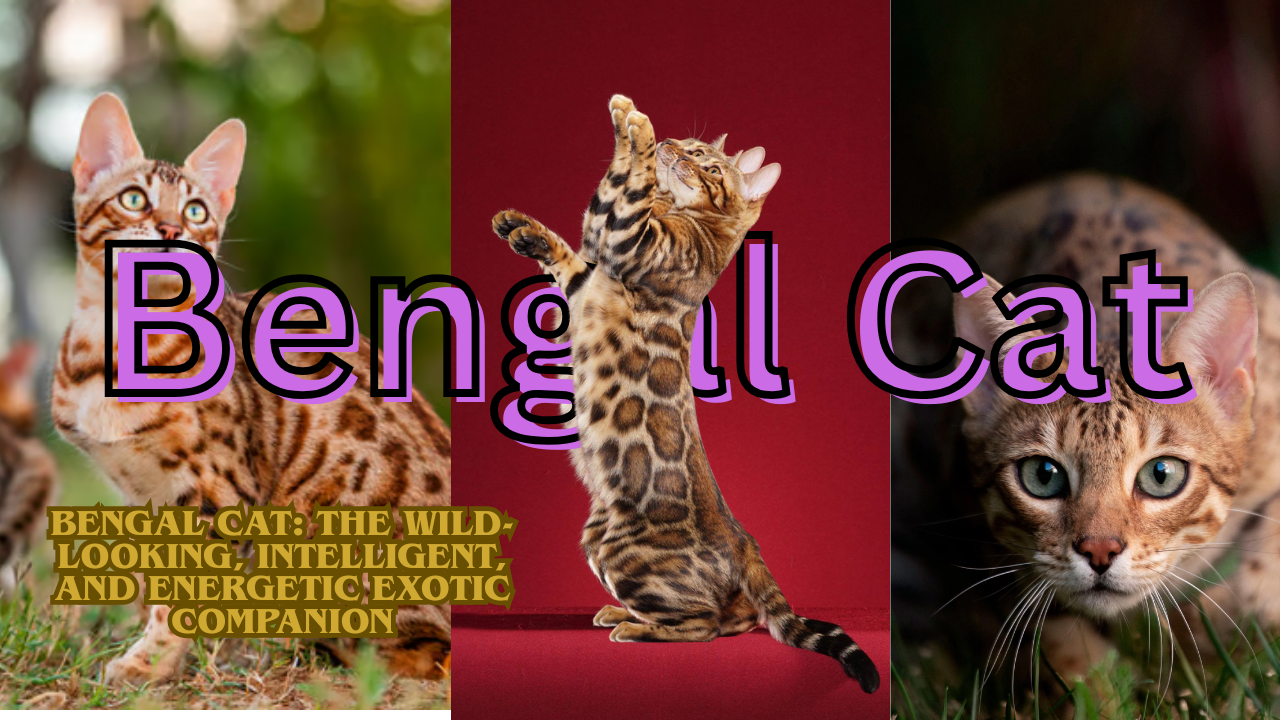
Bengal Cat: The Wild-Looking, Intelligent, and Energetic Exotic Companion

The Bengal Cat is one of the most fascinating and visually stunning domestic cat breeds in the world. Famous for its exotic leopard-like markings, muscular body, shimmering coat, and extraordinary intelligence, the Bengal has become increasingly popular among cat lovers who want a pet with a truly unique appearance and personality.
Unlike traditional calm domestic cats, the Bengal is extremely energetic, playful, curious, and interactive. It is a breed that constantly seeks activity, mental stimulation, and exploration. Because of its athleticism and intelligence, many owners describe the Bengal Cat as having dog-like behaviors. These cats often enjoy games such as fetch, interactive training, climbing activities, and even water play.
The Bengal breed was created by crossing domestic cats with the Asian leopard cat, resulting in a feline that combines wild beauty with the affectionate nature of a companion animal. Today, Bengals are admired worldwide not only for their appearance but also for their lively personalities and emotional connection with humans.
For experienced cat owners who enjoy active pets, the Bengal Cat can become an incredibly rewarding companion full of energy, intelligence, and entertainment.
Overview of the Bengal Cat
| Feature | Details |
|---|---|
| Origin | United States |
| Breed Type | Hybrid domestic cat |
| Weight | 3.5–7 kg |
| Lifespan | 12–16 years |
| Temperament | Energetic, intelligent, curious |
| Coat Type | Short, dense, silky coat |
| Energy Level | Extremely High |
| Shedding Level | Low to Moderate |
The Bengal Cat stands out because it combines the appearance of a wild jungle cat with the behavior of an affectionate household companion.
History and Origins of the Bengal Cat
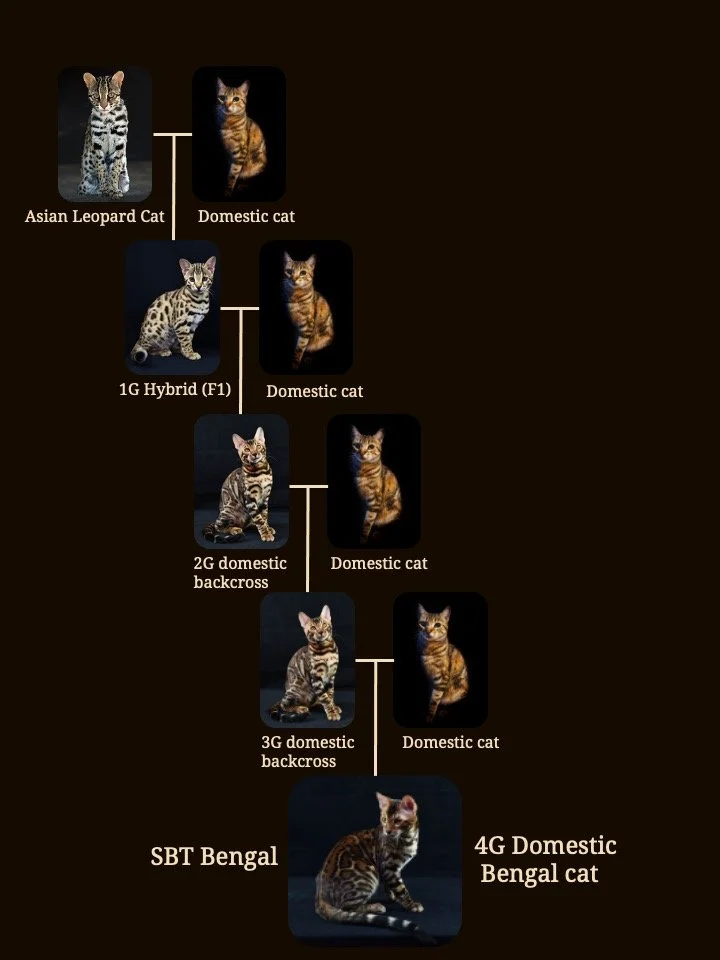
The Bengal Cat breed was developed during the 20th century in the United States. Breeders wanted to create a domestic cat with the dramatic appearance of a wild feline while maintaining a safe and social temperament suitable for indoor family life.
The breed originated from controlled crosses between domestic cats and the Asian leopard cat, a small wild feline species native to Asia. Through careful selective breeding over generations, breeders successfully created the modern Bengal Cat known today.
Unlike actual wild cats, modern Bengals are domestic companions with friendly personalities, though they still retain many physical and behavioral traits associated with their wild ancestry. Their striking coat patterns, muscular bodies, and athletic movements are reminders of their exotic heritage.
Today, the Bengal Cat is one of the most sought-after luxury cat breeds worldwide.
Physical Appearance and Coat Characteristics
The Bengal Cat is widely considered one of the most beautiful domestic cat breeds because of its exotic appearance. Its body is muscular, athletic, and sleek, giving it a naturally wild and powerful look.
Key Physical Features
- Long and muscular body
- Strong legs built for jumping and climbing
- Broad nose and wild facial appearance
- Large oval eyes with intense expression
- Thick tail with dark rings or markings
Bengals are medium to large cats with incredible agility and physical strength. Their movement often resembles that of wild jungle cats.
Unique Coat and Fur Texture
One of the Bengal Cat’s most impressive features is its coat. Unlike many domestic cats, Bengal fur has a uniquely soft and luxurious texture.
Coat Characteristics
- Short and dense fur
- Extremely soft and silky feel
- Shiny “glitter” effect under light
- Bold contrasting patterns
Some Bengals possess a sparkling coat appearance called “glitter,” where the fur reflects light beautifully.
Common Coat Patterns

Rosetted Pattern

This is the most famous Bengal pattern and resembles leopard spots. Rosettes can appear in various shapes and sizes.
Marble Pattern

Instead of spots, marble Bengals have flowing, swirling patterns that resemble exotic stone textures.
Spotted Pattern
Smaller spots distributed across the body create a highly wild appearance.
Common Coat Colors
| Color Type | Description |
|---|---|
| Brown Bengal | Golden or orange background with dark markings |
| Snow Bengal | Light cream or white coat with softer markings |
| Silver Bengal | Silver-gray coat with black markings |
| Charcoal Bengal | Dark dramatic contrast with unique facial mask |
These dramatic colors make Bengals visually different from almost every other domestic cat breed.
Personality and Temperament
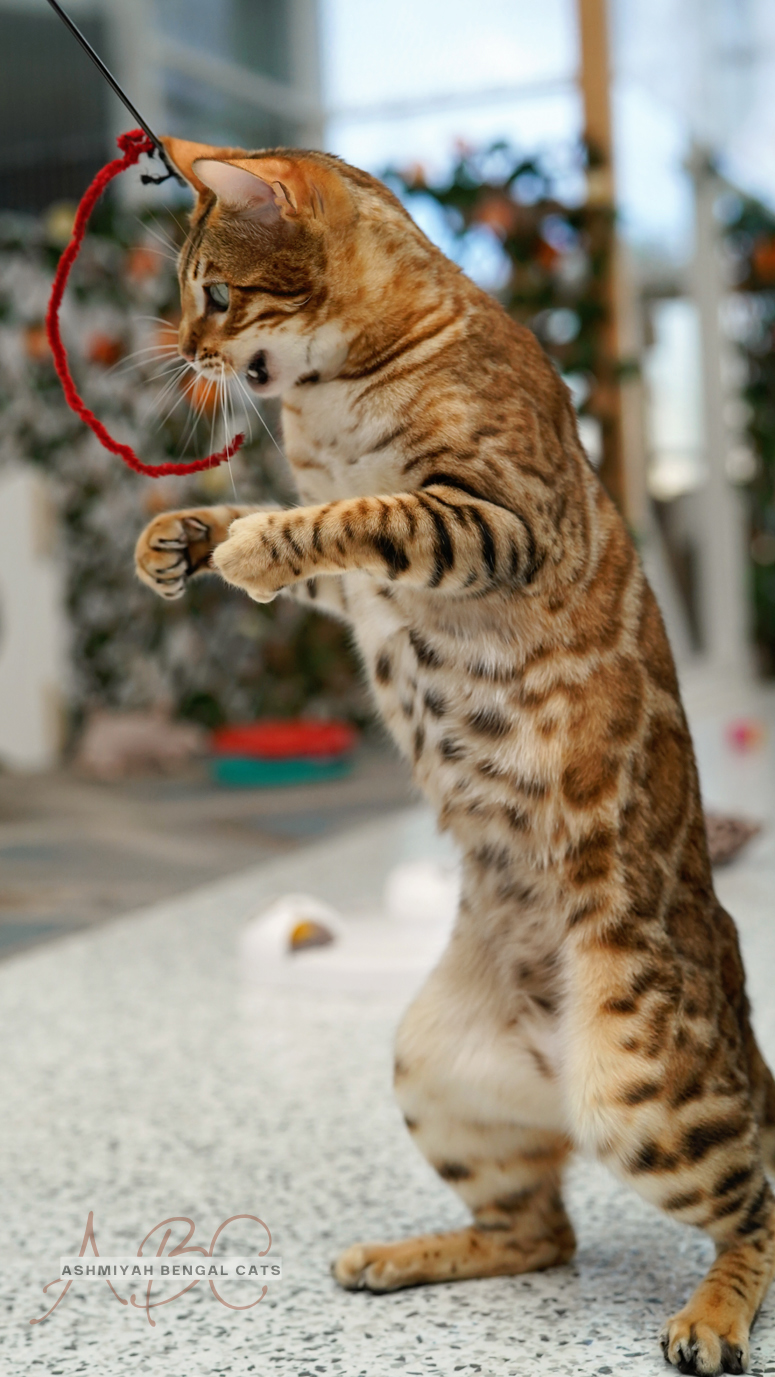
The Bengal Cat is famous for its high intelligence and energetic personality. Unlike calm lap cats that spend most of the day sleeping, Bengals constantly seek stimulation and activity.
They are naturally curious and enjoy exploring their surroundings. Cabinets, shelves, counters, and high furniture often become climbing areas for Bengals. Because of this, owners must create an environment that allows safe exploration.
Core Personality Traits
- Extremely intelligent
- Highly energetic
- Curious and adventurous
- Social and interactive
- Confident and bold
Behavioral Characteristics
- Enjoys climbing and jumping
- Loves exploring new areas
- May learn tricks quickly
- Frequently follows owners around the house
- Often enjoys playing in water
Bengals thrive on interaction and may become bored or frustrated without enough engagement.
Emotional Bond with Owners
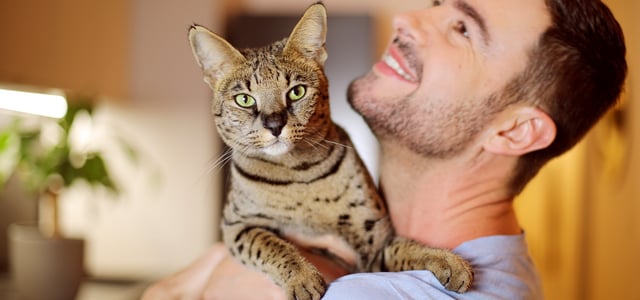
Although Bengals appear wild, they often form very deep emotional bonds with their families. They usually enjoy being near people and participating in daily household activities.
Many Bengal owners report behaviors such as:
- Greeting owners at the door
- Following people from room to room
- Sleeping near family members
- Vocal communication through chirping sounds
Their social nature makes them highly interactive pets compared to many other cat breeds.
Living Environment and Adaptability
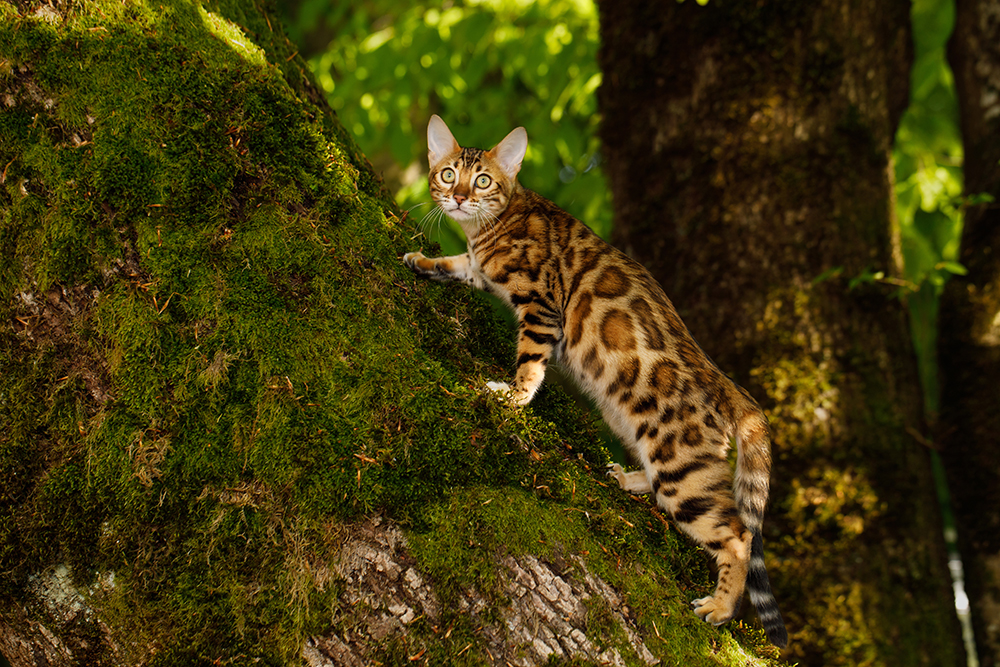
Bengal Cats can adapt to apartments or larger homes, but they require environments that support their energy and curiosity.
Ideal Living Conditions
- Homes with climbing structures
- Active households
- Indoor environments with stimulation
- Owners willing to spend time interacting daily
Important Environmental Features
- Tall cat trees
- Multiple scratching posts
- Interactive toys
- Safe climbing areas
- Puzzle feeders
Because Bengals are intelligent escape artists, windows and balconies should always be secured properly.
Exercise and Activity Needs
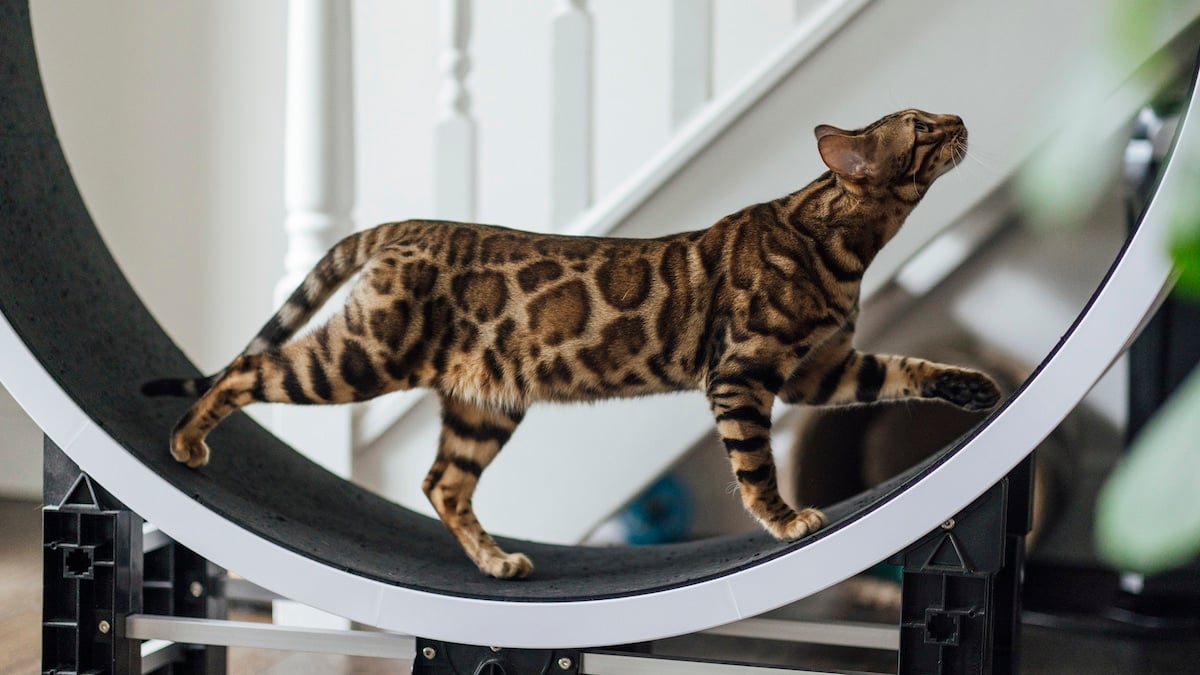
The Bengal Cat has one of the highest energy levels among domestic cat breeds. Daily exercise is essential for both physical and mental health.
Recommended Daily Activities
- Interactive chasing games
- Climbing exercises
- Running and jumping activities
- Fetch games
- Wand toy play sessions
Why Exercise Matters
Without enough activity, Bengals may:
- Become destructive
- Scratch furniture excessively
- Develop behavioral problems
- Experience stress or frustration
Providing regular play sessions is one of the most important responsibilities of Bengal ownership.
Mental Stimulation and Intelligence
Bengals are exceptionally intelligent and require constant mental challenges.
Best Mental Stimulation Activities
- Puzzle toys
- Clicker training
- Obstacle courses
- Food-dispensing toys
- Learning commands and tricks
Some Bengals can even learn:
- Fetching objects
- Walking on a leash
- Opening doors or cabinets
- Responding to their names
Because of their intelligence, Bengals become bored much faster than ordinary cats.
Diet and Nutrition
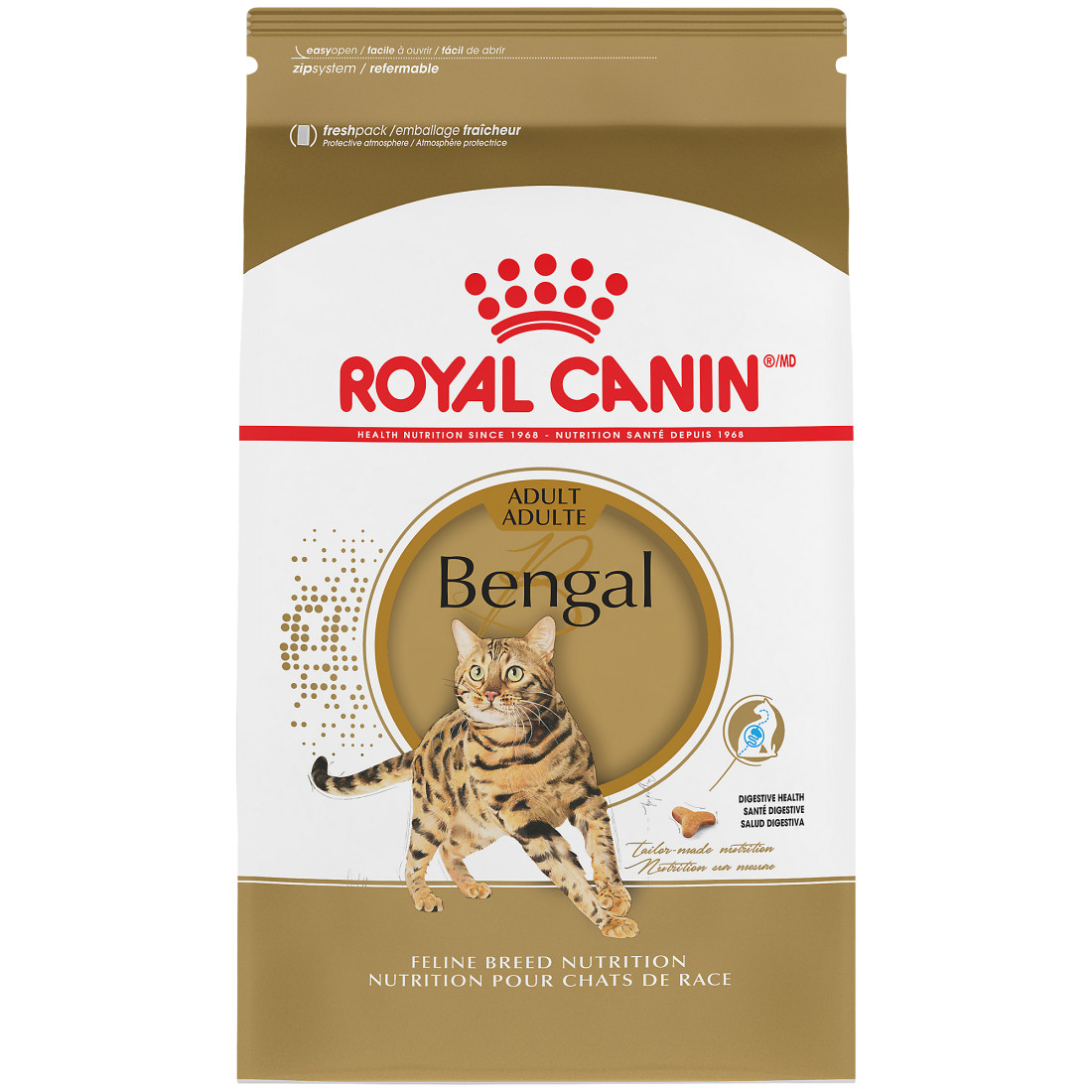
A proper diet is essential for maintaining the Bengal’s muscular body, coat condition, and high energy levels.
| Age Group | Meals per Day |
|---|---|
| Kitten | 3–4 meals |
| Adult | 2 meals |
| Senior | 1–2 meals |
Recommended Nutrition
- High-protein cat food
- Meat-based diets
- Healthy fats for coat health
- Balanced vitamins and minerals
Important Feeding Tips
- Provide fresh water daily
- Avoid excessive carbohydrates
- Maintain consistent feeding schedules
- Monitor body condition regularly
Foods to Avoid
- Chocolate
- Onions and garlic
- Sugary snacks
- Highly processed human foods
Because Bengals are highly active, quality nutrition is especially important.
Grooming and Maintenance

Despite their exotic appearance, Bengal Cats are relatively low-maintenance in grooming compared to long-haired breeds.
Grooming Routine
- Brush once weekly
- Bathe occasionally if needed
- Regular nail trimming
Additional Care
- Ear cleaning
- Dental hygiene
- Checking skin condition
Their short coat naturally remains clean and shiny with minimal grooming effort.
Health and Lifespan

Bengals are generally healthy cats, but they may still experience certain hereditary health conditions.
Common Health Issues
- Hypertrophic cardiomyopathy (heart disease)
- Progressive retinal atrophy
- Digestive sensitivities
- Joint issues
Preventive Care
- Routine veterinary checkups
- Healthy nutrition
- Proper exercise
- Vaccinations and parasite prevention
Responsible breeding plays an important role in maintaining the breed’s long-term health.
Training and Learning Ability
The Bengal Cat is one of the easiest cat breeds to train due to its intelligence and curiosity.
Effective Training Methods
- Positive reinforcement
- Treat-based rewards
- Interactive learning sessions
- Consistency and patience
Skills Bengals Commonly Learn
- Fetching toys
- Using puzzle feeders
- Walking with a harness
- Performing tricks
Their intelligence allows them to adapt quickly to routines and commands.
Pros and Cons
Advantages
- Stunning wild appearance
- Extremely intelligent
- Highly playful and interactive
- Strong emotional connection with owners
- Low-maintenance coat
Disadvantages
- Very high energy requirements
- Needs constant stimulation
- Can become destructive when bored
- Requires active owner involvement
- May be too demanding for inexperienced owners
Is a Bengal Cat Right for You
The Bengal Cat is best suited for active and engaged owners who enjoy interactive pets. It is ideal for people willing to dedicate time to daily play, mental stimulation, and companionship.
However, the breed may not be suitable for individuals seeking a calm, quiet, or low-maintenance cat. Bengals demand attention, activity, and environmental enrichment to remain emotionally balanced.
SEO Keywords to Target
- Bengal Cat care guide 2026
- Bengal Cat personality traits
- Bengal Cat grooming tips
- Exotic cat breeds
- Bengal Cat training guide
- Best active cat breeds
- Bengal Cat diet and exercise
- Wild-looking domestic cats
Final Thoughts
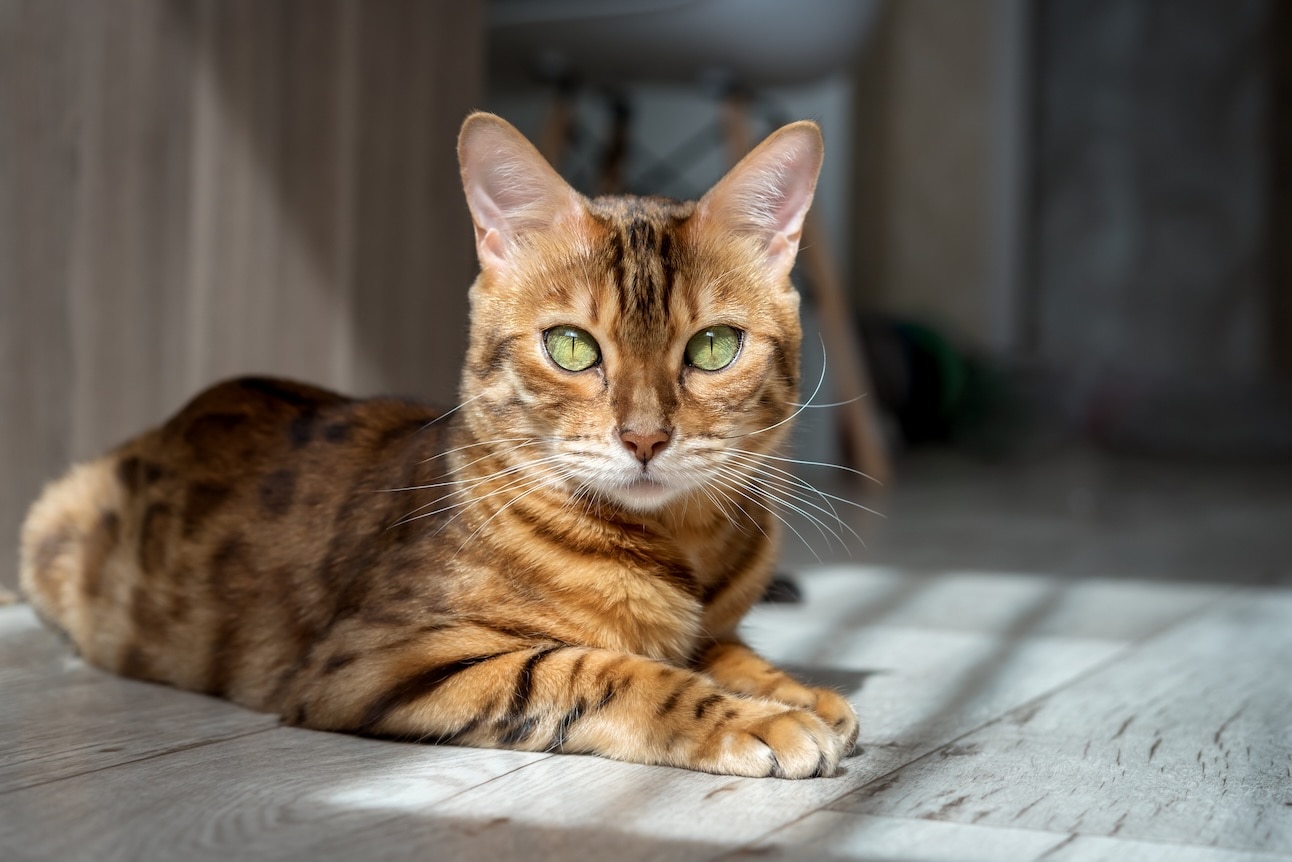
The Bengal Cat is an extraordinary combination of wild beauty, athletic power, intelligence, and emotional connection. Its leopard-like appearance and energetic personality make it one of the most unique domestic cat breeds in the world.
Although owning a Bengal requires commitment, activity, and patience, the rewards are exceptional. With proper care, stimulation, training, and companionship, the Bengal Cat becomes an affectionate, intelligent, and endlessly entertaining member of the family capable of bringing excitement and personality into everyday life.