

How to take care of your Persian Cat(+Grooming,Health care tips 2026 update)

Introduction: Who is “Persian Cat”
The Persian cat is one of the most elegant and recognizable cat breeds in the world. Known for its long, flowing coat, round face, short nose, and large, expressive eyes, this breed truly represents luxury and beauty in the feline world. Originally from Iran (historically called Persia), Persian cats have gained global popularity for both their stunning appearance and their calm, affectionate nature.
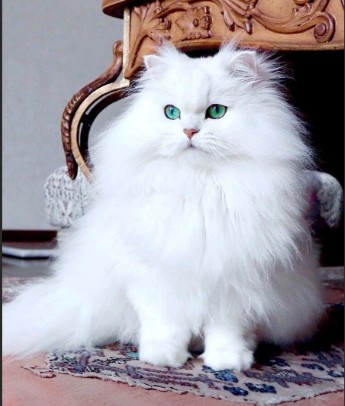
Unlike highly energetic cat breeds, Persian cats are gentle, quiet, and prefer a peaceful indoor lifestyle. They enjoy lounging on soft cushions, relaxing in cozy corners, and spending calm, loving moments with their owners. Their sweet and laid-back personality makes them ideal companions for people who prefer a relaxed pet rather than an active one. However, their beauty comes with responsibility—especially when it comes to grooming and care.

Persian Cat Grooming Essentials
The Persian cat is famous for its long, luxurious coat, which requires regular and careful grooming. Daily brushing is essential to prevent tangles, mats, and hairballs. A wide-tooth comb and a soft slicker brush are commonly used to gently remove loose fur and keep the coat smooth. Regular bathing, usually once a month, helps maintain cleanliness and shine, but it should be done with a mild cat shampoo to protect the skin.
In addition to coat care, eye cleaning is very important because Persian cats often have watery eyes due to their flat facial structure. Gently wiping the eyes with a soft, damp cloth can prevent staining and infection. Nail trimming should be done every few weeks, and ears should be checked regularly for dirt or wax buildup. Proper grooming not only keeps a Persian cat looking beautiful but also ensures its overall health and comfort.
Daily Brushing Routine
Brushing your Persian cat every day for about 10–15 minutes is one of the most important care habits. Their thick undercoat can trap loose hair, leading to tangles and mats if not removed regularly. Start by gently combing through the fur with a wide-tooth comb, then use a slicker brush to smooth the outer coat.
This routine not only keeps the coat silky and neat but also significantly reduces hairballs, which are common in long-haired breeds. During seasonal shedding periods, you may need to brush slightly longer to manage the extra fur. Regular brushing also strengthens the bond between you and your cat, turning grooming into a relaxing experience rather than a stressful task.
Bathing and Coat Maintenance
Although cats are generally self-cleaning, Persian cats benefit from regular bathing every 4–6 weeks due to their dense coat. Use a gentle, cat-safe shampoo that moisturizes the skin and preserves the natural oils of the fur. Avoid harsh products, as they can cause dryness and irritation.
After bathing, carefully dry your cat using a soft towel or a low-heat dryer. Make sure the coat is completely dry to prevent matting and discomfort. Additionally, trimming fur around sanitary areas helps maintain hygiene and prevents dirt buildup. Keeping the coat clean and well-maintained enhances both the appearance and health of your cat.
Eye, Ear, and Nail Care
Due to their flat facial structure, Persian cats are prone to watery eyes. Daily cleaning using a soft, damp cloth or pet-safe solution helps prevent tear stains and possible infections. This simple habit keeps their face clean and reduces discomfort.
Their ears should be checked weekly for wax buildup or dirt, which can lead to infections if ignored. Gently clean only the outer part of the ear using a vet-approved solution. Nail trimming is also essential and should be done every 2–3 weeks, with front claws often needing more frequent trimming. Proper hygiene care ensures your cat stays healthy and comfortable in the long run.
Feeding Your Persian Cat the Right Way
A balanced, nutrient-rich diet is essential for maintaining a Persian cat’s overall health. Since they are less active compared to other breeds, they are more prone to weight gain. Therefore, providing the right type and amount of food is very important.
A good diet supports not only their energy levels but also enhances their coat quality, keeping it shiny and soft. Proper nutrition also helps prevent common health issues such as obesity, digestive problems, and heart conditions.
Choosing the Best Food for Persian Cats
Persian cats require high-protein diets (around 35–40%) that include quality animal-based ingredients such as chicken or fish. Nutrients like omega-3 fatty acids help maintain their thick coat, while taurine is essential for heart and eye health.
Wet food is highly recommended because it helps maintain hydration, especially since some cats do not drink enough water. Avoid foods that are high in carbohydrates or filled with artificial additives, as they can lead to weight gain and other health issues over time.
Portion Control and Feeding Schedule
How to feed my cat healthy?
Feeding your Persian cat the correct portion size is just as important as choosing the right food. Adult cats typically need about ½ to ¾ cup of dry food or 5–6 ounces of wet food per day, divided into two meals. Overfeeding can quickly lead to obesity, especially in this low-activity breed.
Kittens, on the other hand, require more frequent meals—usually 3–4 times a day—with higher protein content to support growth. Senior cats may need smaller portions and specially formulated diets depending on their health condition. Always monitor your cat’s weight and consult a veterinarian to adjust feeding amounts when necessary.
| Life Stage | Meals/Day | Protein % | Daily Amount (Adult Example) |
|---|---|---|---|
| Kitten | 3-4 | 35-50 | 1/2-1 cup dry equivalent |
| Adult | 2 | 35-40 | 1/2-3/4 cup dry |
| Senior | 2 | 30-35 | 1/3-1/2 cup dry |
Health Issues Common in Persian Cats

The Persian cat is a beautiful and affectionate breed, but it is also prone to certain health problems due to its unique physical features and genetics. Because of these risks, regular veterinary check-ups and early screening are very important to ensure a long and healthy life. Understanding these common health concerns helps owners take better preventive care and respond quickly when issues arise.
Breathing and Eye Problems
Persian cats have a flat face structure, known as Brachycephaly, which can lead to breathing difficulties. Many Persian cats may snore, have noisy breathing, or struggle in hot and humid conditions. This makes them more sensitive to heat, so keeping them in a cool and well-ventilated environment is essential.
Their large, prominent eyes are also prone to constant tearing. This can lead to staining, irritation, or even infections if not cleaned regularly. In some cases, eye ulcers may develop, which require immediate veterinary attention. Daily eye cleaning with a soft cloth and monitoring for redness or discharge can help prevent serious complications.
Dental and Kidney Concerns
Persian cats are genetically at risk for Polycystic Kidney Disease (PKD), a serious condition where fluid-filled cysts develop in the kidneys. This disease can affect 30–50% of Persian cats, especially if proper breeding screening is not done. Early genetic testing and regular vet check-ups are key to managing this condition.
Dental health is another common concern. Due to their jaw structure, food particles can easily get trapped, leading to plaque buildup, gingivitis, and bad breath. Brushing your cat’s teeth weekly and providing dental treats or vet-recommended products can help maintain oral health and prevent painful infections.
When to See the Vet
Being alert to changes in your cat’s behavior and appearance can help detect health issues early. Signs such as lethargy, loss of appetite, difficulty breathing, watery or irritated eyes, and a dull coat should never be ignored. These symptoms may indicate underlying health problems that need medical attention.
Routine vaccinations are also essential to protect against common feline diseases like Rabies and Feline Panleukopenia. In addition, screening for heart conditions such as Hypertrophic Cardiomyopathy is recommended, especially as your cat ages. Regular vet visits ensure early diagnosis and better treatment outcomes.
Creating the Perfect Home Environment
Creating the perfect home environment is essential for the comfort and well-being of a Persian cat. Known for their calm and gentle nature, Persian cats prefer quiet, peaceful surroundings rather than noisy or highly active spaces. A stable indoor environment protects them from dirt, extreme weather, and potential health risks.
A soft, cozy resting area such as a cushioned bed or a warm blanket should be provided in a draft-free corner of the house. Since Persian cats enjoy relaxation, placing their bed in a calm room helps them feel secure. Cleanliness is also very important. Their litter box should be kept in a quiet, private space and cleaned daily to maintain hygiene.
Proper ventilation and moderate room temperature contribute to their comfort, as their thick coat can make them sensitive to heat. Additionally, providing scratching posts and a few safe toys encourages light exercise and mental stimulation. By ensuring a clean, quiet, and comfortable home environment, owners can help their Persian cats live a healthy, happy, and stress-free life.

Litter Box, Beds, and Hiding Spots
A well-organized home setup plays a big role in your Persian cat’s happiness. The litter box should be placed in a quiet, low-traffic area and cleaned daily to maintain hygiene and prevent stress. Cats are naturally clean animals, and a dirty litter box can lead to behavioral issues.
A soft, cushioned bed in a warm and calm corner gives your cat a perfect place to rest and feel safe. Additionally, providing hiding spots such as covered beds or small cat houses allows your Persian cat to retreat when it wants privacy or feels anxious. These simple additions create a secure and peaceful environment for your pet.

Playtime and Mental Stimulation
Even though the Persian cat is calm and not highly active, regular playtime is still important for its physical and mental health. Interactive toys like feather wands, soft balls, and puzzle feeders help keep your cat engaged without overwhelming it.
Short and gentle play sessions throughout the day can prevent boredom, reduce stress, and support healthy movement. Providing a variety of safe toys and occasional new activities stimulates your cat’s mind and strengthens the bond between you and your pet. A balanced routine of rest and play ensures your Persian cat remains happy, healthy, and emotionally satisfied.

Persian Cat Adoption and Responsible Breeders in the USA
Here’s a list of Persian cat adoption and responsible breeder resources in the USA you can include in your article:
Adoption & Rescue Organizations (USA)

- Persian & Himalayan Cat Rescue of Northern California – Dedicated to rescuing and re‑homing Persian and Himalayan cats in Northern California; offers adoption and assistance.
- Persian Rescue Network – A volunteer network that helps re‑home Persian cats across the country via social media and rescue communities.
- Persian Rescue (Rescue Me!) – A national Persian rescue directory where you can find cats and kittens needing homes in many U.S. states.
- Best Friends Animal Society – Supports many shelters and rescue groups across the U.S. that may have Persian cats available for adoption.
- General Adoption Platforms like Adoptapet and Petfinder often list Persian cats and kittens looking for homes.
Responsible Breeders & Associations (USA)
- The International Cat Association (TICA) – Has a directory of ethical Persian breeders who follow a breeder Code of Ethics.
- Cat Fanciers’ Association (CFA) – Maintains a list of registered breeders with high standards for health and temperament.
- Nautilus Persians (Washington State) – CFA‑registered Persian breeder focused on healthy, well‑socialized kittens
- Local Catteries Across States – There are many smaller reputable breeders in states like Georgia (Angel Persians), Illinois (Zafiro Persians), Maryland (Connaught Persians), New Jersey (Karistakats), Washington (Purrity Persians), and others.
💡 Tips for Adoption/Breeder Selection:
- Always check health clearances and pedigree registration.
- Visit cats in person when possible.
- Ask about temperament, vaccinations, and any adoption policies before making a decision.
External Links
Persian Cat Adoption & Breeder Links (USA)
- Persian & Himalayan Cat Rescue of Northern California
- Persian Rescue Network
- Persian Rescue (Rescue Me!)
- Best Friends Animal Society
- Adoptapet / Petfinder Persian Listings
- The International Cat Association (TICA) – Persian Breed
- Cat Fanciers’ Association (CFA)
- Nautilus Persians – Washington State
- Local Catteries Across States
- The Happy Cat Site – Persian Cats Guide
Conclution
| Topic | Key Points |
|---|---|
| Who is a Persian Cat | Long-haired, round-faced, calm, affectionate; ideal indoor pet; requires regular grooming. |
| Grooming Essentials | Daily brushing, monthly bathing, eye cleaning, nail trimming; prevents mats, hairballs, and infections. |
| Daily Brushing Routine | Use wide-tooth comb and soft slicker brush; brush in direction of hair growth; focus on common mat areas. |
| Home Environment | Quiet, clean indoor space; soft beds, safe hiding spots; moderate temperature; gentle stimulation. |
| Litter Box, Beds & Hiding Spots | Clean litter box in low-traffic area; cozy cushioned bed; hiding spots for security and privacy. |
| Playtime & Mental Stimulation | Short, interactive play sessions; feather wands, puzzle feeders, toys; prevents boredom and stress. |
| Adoption & Responsible Breeders (USA) | Rescue organizations: Persian & Himalayan Cat Rescue, Persian Rescue Network; Breeders: TICA, CFA, local catteries. |
| FAQ Highlights | Grooming daily; gentle with children; eye cleaning; quiet home; adoption sources; breeder vs rescue; activity level; shedding; price: USA $100–$3,000, Sri Lanka LKR 30,000–150,000. |
| Conclusion | Persian cats need proper care, grooming, safe environment, play, and responsible adoption. They reward owners with companionship, elegance, and joy. |
FAQ
How often should I groom my Persian cat?
Persian cats should be brushed daily to prevent tangles, mats, and hairballs. Regular grooming also keeps their coat shiny and skin healthy.
Are Persian cats good for families with children?
Yes, Persian cats are gentle, calm, and affectionate, making them suitable for families. They prefer quiet environments and gentle handling.
Do Persian cats need special care for their eyes?
Yes, because of their flat facial structure, Persian cats often have watery eyes. Daily gentle cleaning with a soft, damp cloth helps prevent staining and infection.
How much does a Persian cat cost?
The price of a Persian cat depends on the source and location. In the USA, kittens from responsible breeders usually range from $500 to $3,000, while adoption from rescues is often $100 to $400. In Sri Lanka, Persian kittens from local breeders typically cost LKR 30,000 to 150,000, with imported or show-quality kittens costing more. Always factor in long-term expenses like grooming, food, and veterinary care.
Where can I adopt a Persian cat in the USA?
You can adopt from rescue groups such as Persian & Himalayan Cat Rescue, Persian Rescue Network, or use platforms like Petfinder.