Maine Coon Cat: Complete Guide to the Gentle Giant (Care, Personality, Diet, Health & More – 2026)
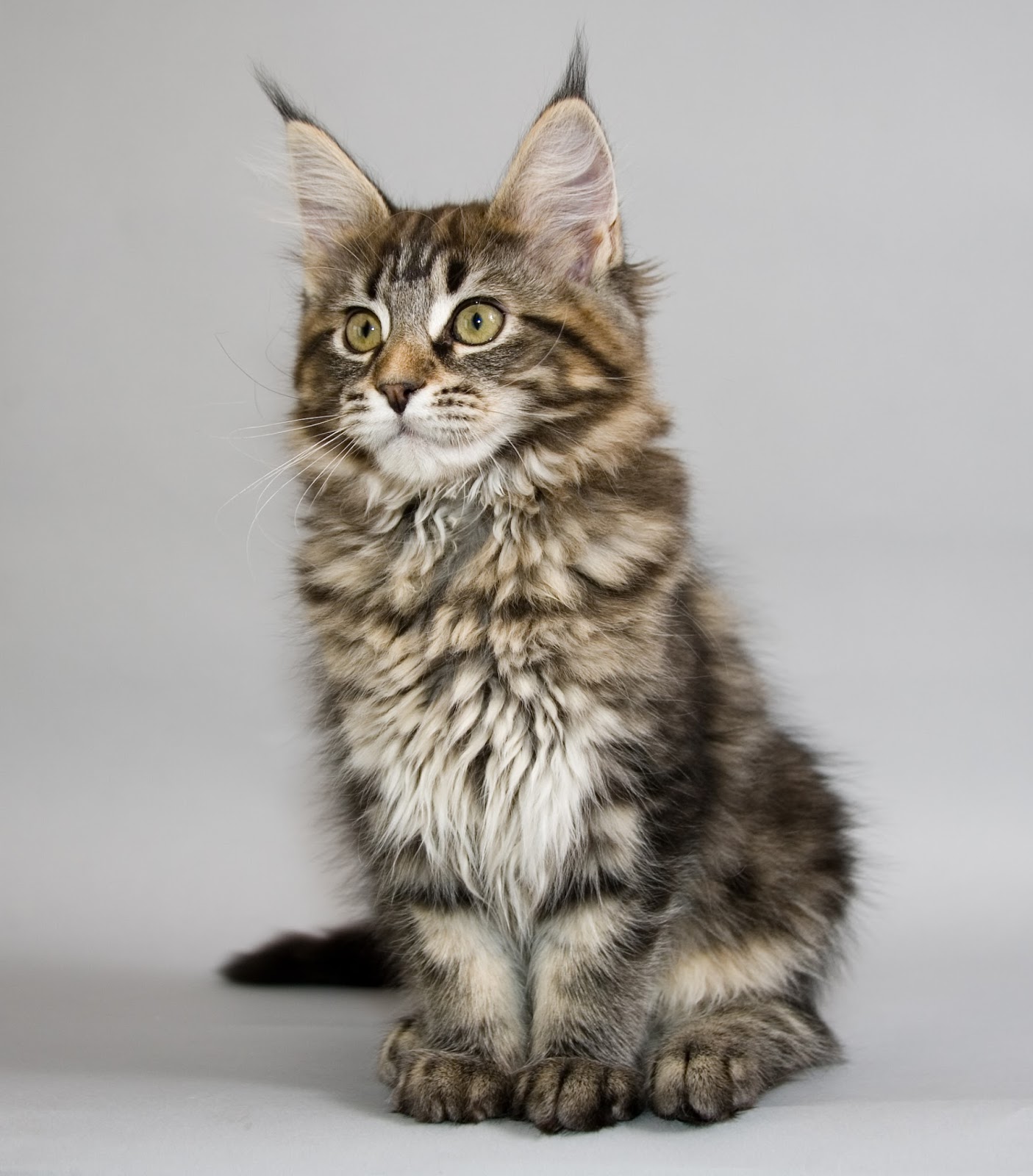
The Maine Coon is one of the most fascinating and well-balanced cat breeds in the world, combining physical strength, striking beauty, and a calm, affectionate personality. Known for its large size and thick, flowing coat, this breed has earned the nickname “gentle giant” due to its friendly and tolerant nature. Unlike many cats that prefer independence, Maine Coons are highly social and enjoy being part of family life, making them an excellent choice for households seeking a loyal and interactive pet.
What truly sets the Maine Coon apart is its ability to adapt to different environments while maintaining a consistent temperament. Whether living in a small apartment or a large home, this breed tends to adjust well as long as it receives enough mental stimulation and human interaction. Their intelligence, combined with a playful yet relaxed attitude, makes them one of the most desirable cat breeds for both new and experienced pet owners.
Origin and Natural Evolution
The Maine Coon developed naturally in North America, specifically in the cold region of Maine. Unlike many modern breeds, it was not heavily engineered through selective breeding, which contributes to its strong genetics and resilience. Over time, these cats adapted to survive freezing winters, leading to the development of their thick, water-resistant coat and powerful body structure.
Their physical traits are not just for appearance—they serve practical purposes. The long, bushy tail helps retain body heat, while their large paws provide stability on slippery surfaces. This natural adaptation makes the Maine Coon one of the most durable and climate-resistant domestic cat breeds.
Physical Characteristics Overview
Maine Coons are known for their impressive size and distinctive features, which give them a wild yet elegant appearance. Their slow growth rate allows them to develop strong bones and muscles over time, resulting in a powerful and balanced physique.
Quick Facts Table
| Feature | Details |
|---|---|
| Breed Type | Large, long-haired domestic cat |
| Weight | 5–9 kg (males can exceed this) |
| Lifespan | 12–15 years |
| Coat Type | Thick, water-resistant double coat |
| Eye Colors | Green, gold, copper, blue |
| Personality | Friendly, intelligent, gentle |
Personality and Behavior in Depth
The Maine Coon’s personality is one of its strongest advantages. These cats are highly social without being overly demanding, which makes them easy to live with. They enjoy human company and often stay close to their owners, but they do not require constant attention or affection.

Their emotional intelligence allows them to sense moods and adjust their behavior accordingly. This makes them particularly suitable for families, as they tend to be patient with children and tolerant of noise and activity. Unlike more sensitive breeds, Maine Coons rarely display aggressive behavior and are known for their calm, stable temperament.
Key Personality Traits
- Friendly and sociable
- Loyal but not clingy
- Intelligent and trainable
- Playful even in adulthood
- Gentle with children and pets
Diet and Nutrition Guide
Feeding a Maine Coon requires careful attention due to its size and growth pattern. A high-protein diet is essential for maintaining muscle mass, while healthy fats support coat condition and overall health. Because they grow slowly, their nutritional needs remain high for a longer period compared to other breeds.

Recommended Feeding Plan Table
| Age Stage | Food Type | Frequency |
|---|---|---|
| Kitten | High-protein kitten food | 3–4 meals/day |
| Adult | Balanced wet + dry food | 2 meals/day |
| Senior | Low-fat, nutrient-rich food | 2 meals/day |
It is important to avoid overfeeding, as Maine Coons are prone to weight gain if their diet is not controlled. Fresh water should always be available, and occasional fresh protein sources like cooked chicken can be included.
Grooming and Maintenance Routine
Despite their long fur, Maine Coons are relatively manageable when it comes to grooming. Their coat is designed to resist tangles, but regular brushing is still necessary to prevent matting and reduce shedding.
Grooming Checklist
- Brush fur 2–3 times per week
- Trim nails every 3–4 weeks
- Clean ears regularly
- Bathe occasionally if needed
- Check for skin issues under thick coat
Consistent grooming not only improves appearance but also helps maintain skin health and reduces the risk of hair-related issues.
Exercise and Activity Needs
Maine Coons are moderately active cats that benefit from both physical exercise and mental stimulation. Their intelligence means they enjoy interactive activities that challenge their thinking as well as their movement.
Providing a stimulating environment is essential to prevent boredom, which can lead to inactivity or unwanted behavior. They particularly enjoy climbing and observing their surroundings from elevated positions.
Activity Ideas
- Climbing cat trees
- Puzzle toys
- Interactive play sessions
- Fetch-style games
- Exploring safe indoor spaces
Health Issues and Prevention
Although generally healthy, Maine Coons can be prone to certain genetic conditions. Awareness and early detection are key to managing these risks effectively.
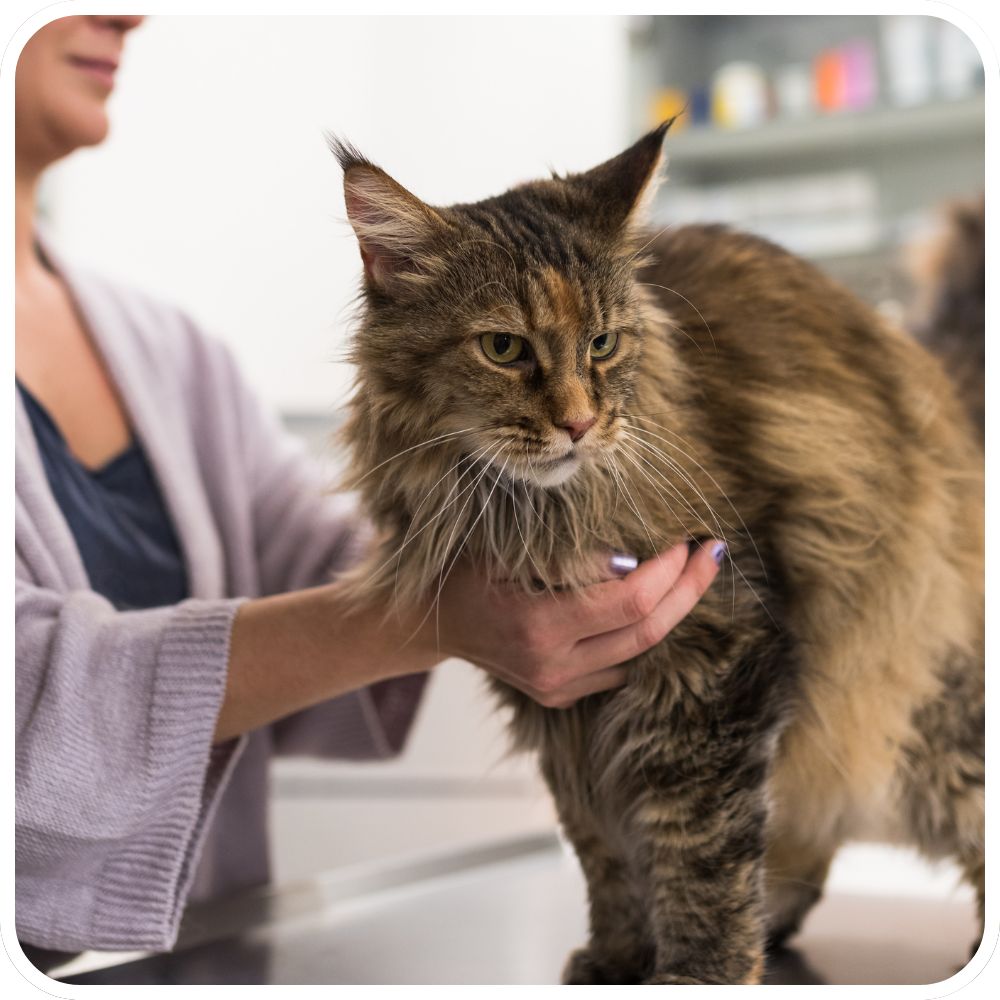
Common Health Concerns Table
| Condition | Description |
|---|---|
| Hypertrophic Cardiomyopathy | A heart condition affecting muscle thickness |
| Hip Dysplasia | Joint issue affecting movement |
| Obesity | Caused by overfeeding or low activity |
Routine veterinary visits, a balanced diet, and proper exercise significantly reduce the likelihood of these conditions becoming serious.
Living Environment and Compatibility
Maine Coons are highly adaptable and can thrive in different living conditions. They are suitable for apartments as well as larger homes, provided they have enough space to move and play. Their friendly nature allows them to get along well with other pets, including dogs.
They are especially well-suited for families because of their gentle and tolerant behavior. However, they do require companionship and should not be left alone for extended periods, as they prefer being part of a social environment.
Pros and Cons Table
| Pros | Cons |
|---|---|
| Friendly and affectionate | Requires regular grooming |
| Great with children and pets | Higher food consumption |
| Intelligent and trainable | Needs attention and interaction |
| Adaptable to different homes | Large size requires space |
Is a Maine Coon the Right Choice for You?
Choosing a Maine Coon depends on your lifestyle and ability to meet its needs. This breed is ideal for individuals or families who can provide regular interaction, proper grooming, and a stable environment. While they are not the most low-maintenance cats, the companionship they offer makes the effort worthwhile.
Their balanced personality, combined with their striking appearance, makes them one of the most rewarding cat breeds to own. However, potential owners should be prepared for the long-term commitment required to maintain their health and happiness.
Final Thoughts
The Maine Coon stands out as a breed that combines strength, intelligence, and affection in a way that few others can. Its ability to adapt, bond with humans, and maintain a calm temperament makes it a top choice for cat lovers around the world. With proper care, attention, and understanding, a Maine Coon can become not just a pet, but a meaningful and lasting companion.