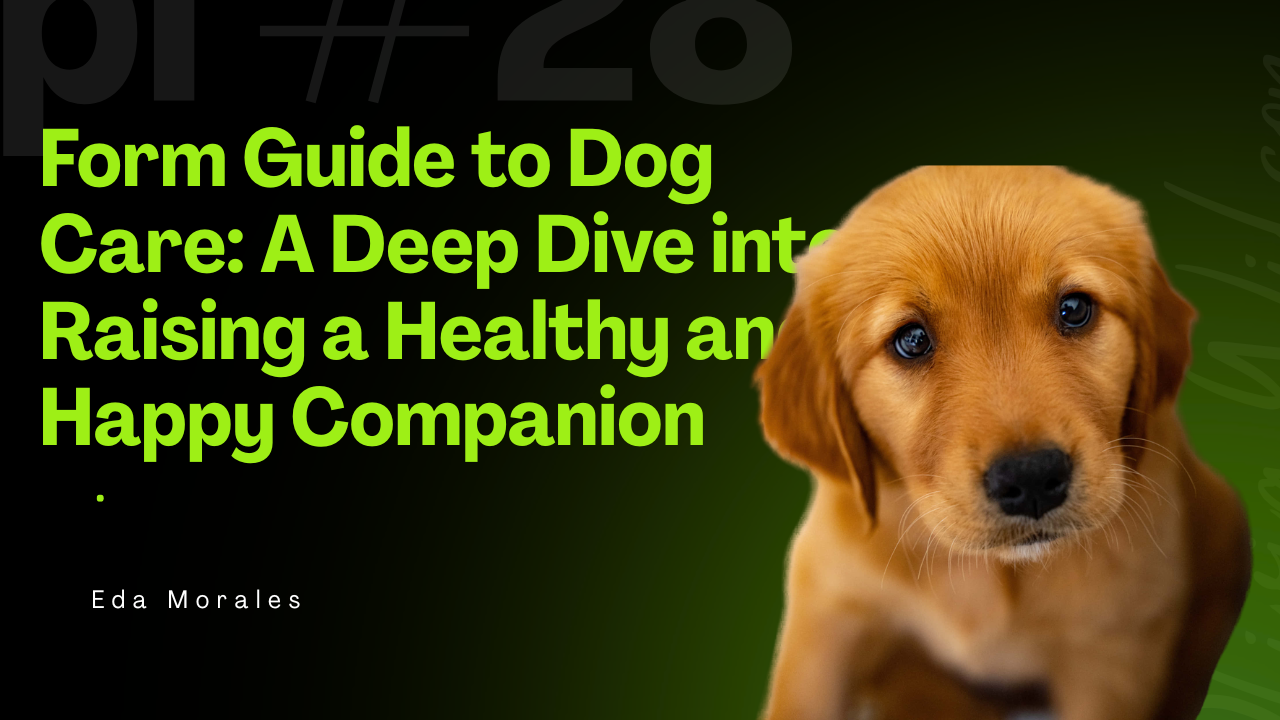
Form Guide to Dog Care: A Deep Dive into Raising a Healthy and Happy Companion

Dogs have shared a close bond with humans for thousands of years, evolving from wild animals into trusted companions that play an important role in our daily lives. Today, dogs are not only kept as pets but are also valued as emotional support animals, protectors, and even working partners in various fields such as security, rescue, and therapy. Their loyalty, intelligence, and ability to connect emotionally with humans make them truly unique among domesticated animals. However, owning a dog is not something to take lightly—it requires long-term commitment, patience, and a deep understanding of their needs. A well-cared-for dog can live a fulfilling life and provide years of companionship, while poor care can lead to health and behavioral issues.
Dog Overview: Essential Facts at a Glance
| Category | Details |
|---|---|
| Scientific Name | Canis lupus familiaris |
| Lifespan | 10–15 years (small breeds may live longer) |
| Size Range | Toy, Small, Medium, Large, Giant |
| Diet | Omnivorous |
| Temperament | Loyal, social, intelligent |
| Domestication | Over 15,000 years ago |
Dogs vary greatly depending on their breed, genetics, and upbringing. Some breeds are highly energetic and require intense daily exercise, while others are more relaxed and suited for indoor living. Understanding these differences is crucial when choosing a dog or caring for one, as mismatched expectations can lead to frustration for both the owner and the pet.
Understanding Dog Behavior and Emotional Needs
Dogs are social, pack-oriented animals that depend on structure, communication, and companionship to feel secure. In a household, the owner naturally becomes the “leader” of the pack, and dogs look to them for guidance and reassurance. When a dog clearly understands its place in the family and receives consistent signals from its owner, it tends to be calm, confident, and obedient. On the other hand, inconsistent behavior from owners—such as changing rules or lack of attention—can confuse dogs and lead to unwanted behaviors like barking, chewing, or aggression.

One of the most fascinating aspects of dogs is their emotional intelligence. They are highly sensitive to human feelings and can detect changes in tone, body language, and even facial expressions. This ability allows them to respond empathetically, often comforting their owners during times of stress or sadness. Because of this strong emotional connection, dogs should never be treated as purely independent animals. They require affection, interaction, and inclusion in daily life to maintain their mental well-being.
Dog Personality Traits (Behavior Grid)
| Trait | Description |
|---|---|
| Loyalty | Forms deep emotional bonds with owners |
| Intelligence | Learns commands, routines, and problem-solving tasks |
| Playfulness | Enjoys games, toys, and interaction |
| Protectiveness | May guard home and family |
| Social Behavior | Generally enjoys human and animal interaction |
Nutrition and Feeding: Building a Strong Foundation
Nutrition is one of the most important factors influencing a dog’s health, energy levels, and lifespan. A well-balanced diet ensures proper growth, supports the immune system, and keeps the coat shiny and skin healthy. Dogs require a mix of proteins, fats, carbohydrates, vitamins, and minerals, each playing a specific role in maintaining bodily functions.

Protein is essential for muscle development and repair, while fats provide a concentrated source of energy and support brain function. Carbohydrates offer additional energy, especially for active dogs, and vitamins and minerals contribute to everything from bone strength to immune defense. Feeding low-quality food or an unbalanced diet can lead to deficiencies, obesity, or chronic health issues.
Nutritional Breakdown Table
| Nutrient | Role in Body | Common Sources |
|---|---|---|
| Protein | Muscle growth and repair | Meat, fish, eggs |
| Fats | Energy and coat health | Fish oil, chicken fat |
| Carbohydrates | Energy supply | Rice, grains, vegetables |
| Vitamins | Immune system support | Fruits, vegetables |
| Minerals | Bone and teeth strength | Meat, supplements |
Feeding Best Practices
- Feed based on age, weight, and activity level
- Puppies: 3–4 meals daily for growth
- Adults: 1–2 meals daily
- Avoid toxic foods:
- Chocolate
- Grapes and raisins
- Onions and garlic
- Ensure constant access to clean water
Grooming and Hygiene: Maintaining Health and Comfort
Grooming is not just about appearance—it is a vital part of maintaining a dog’s overall health. Regular grooming helps remove dirt, loose hair, and parasites while allowing owners to check for early signs of health issues. Dogs with long coats require frequent brushing to prevent tangles and matting, while short-haired breeds still benefit from regular brushing to distribute natural oils and reduce shedding.

Bathing should be done carefully, as excessive washing can strip the natural oils that protect a dog’s skin. Nail trimming is another critical task, as overgrown nails can cause pain and affect mobility. Ear cleaning helps prevent infections, especially in breeds with floppy ears, and dental care is essential for preventing gum disease and tooth loss.
Grooming Routine Table
| Task | Frequency | Importance |
|---|---|---|
| Brushing | 2–4 times per week | Prevents tangles and shedding |
| Bathing | Every 3–4 weeks | Maintains cleanliness |
| Nail Trimming | Every 3–4 weeks | Prevents pain and injury |
| Ear Cleaning | Monthly | Avoids infections |
| Teeth Brushing | 2–3 times per week | Prevents dental problems |
Exercise and Mental Stimulation
Dogs are naturally active animals, and regular exercise is essential for their physical and mental well-being. Without enough activity, dogs can become bored, anxious, or destructive. Exercise needs vary depending on the breed—high-energy dogs may require hours of activity each day, while smaller or older dogs may need less.
Physical exercise should be combined with mental stimulation to keep dogs engaged and satisfied. Activities such as puzzle toys, obedience training, and interactive games challenge a dog’s mind and prevent boredom.

Daily Activity Plan
| Activity | Duration | Benefit |
|---|---|---|
| Walking | 30–60 minutes | Physical fitness |
| Playtime | 20–30 minutes | Emotional bonding |
| Training | 10–15 minutes | Mental stimulation |
| Exploration | Flexible | Reduces boredom |
Training and Socialization: Building Good Behavior
Training is one of the most important responsibilities of a dog owner, as it shapes how a dog behaves in everyday situations. A well-trained dog is easier to manage, safer to be around, and more enjoyable as a companion. Training should always focus on positive reinforcement, rewarding good behavior with treats, praise, or play.

Socialization helps dogs become comfortable in different environments and reduces fear-based reactions. Introducing a dog to various people, animals, and situations early in life helps build confidence and adaptability.
Essential Commands
- Sit
- Stay
- Come
- Down
- Leave it
Health Care and Preventive Measures
Regular veterinary care is essential for maintaining a dog’s health and detecting potential problems early. Vaccinations protect against serious diseases, while parasite control prevents infestations that can affect both pets and humans. Preventive care is always more effective and less costly than treating advanced health issues.

Common Health Issues Table
| Condition | Signs | Prevention |
|---|---|---|
| Fleas & Ticks | Scratching, irritation | Regular treatment |
| Obesity | Weight gain, low activity | Balanced diet, exercise |
| Dental Disease | Bad breath, gum issues | Teeth cleaning |
| Ear Infections | Odor, head shaking | Regular ear care |
Advantages and Challenges of Dog Ownership
Benefits
- Strong emotional companionship
- Reduces stress and loneliness
- Encourages daily physical activity
- Provides protection and security
Challenges
- Requires time and commitment
- Ongoing costs (food, vet care)
- Needs training and discipline
- Long-term responsibility
Final Thoughts

Dogs are truly remarkable animals that bring joy, comfort, and companionship into our lives. However, they depend entirely on their owners for care, guidance, and love. By understanding their needs and committing to responsible ownership, you can build a strong, lasting bond with your dog. In return, your dog will offer unwavering loyalty and unconditional love—making every moment spent together worthwhile.