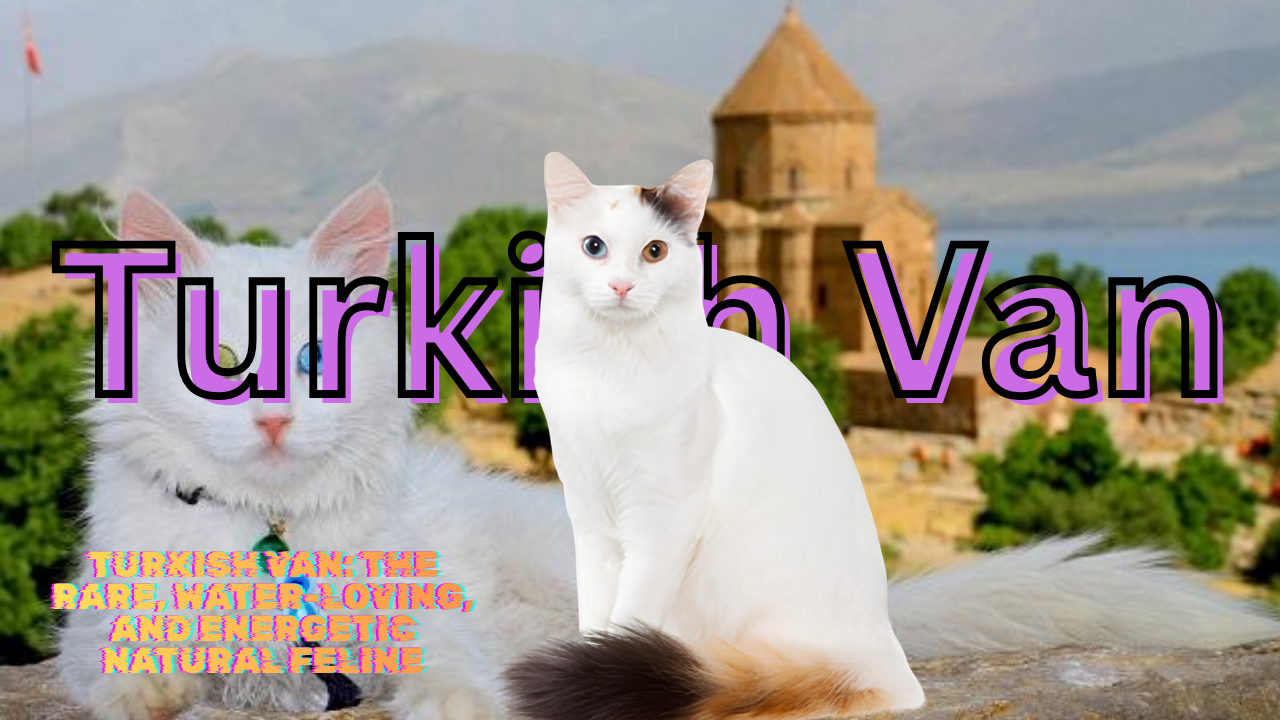
Turkish Van: The Rare, Water-Loving, and Energetic Natural Feline
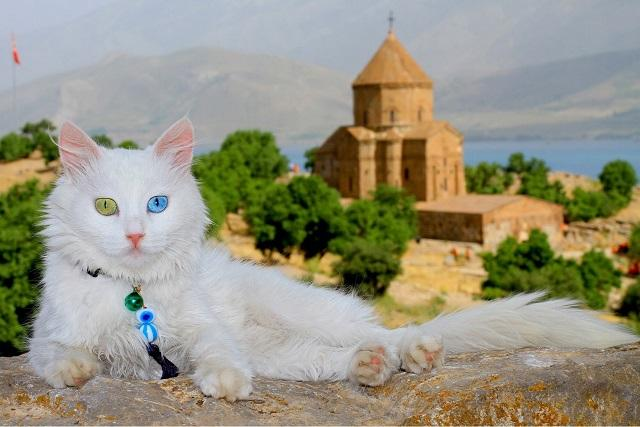
The Turkish Van is one of the rarest and most fascinating cat breeds in the world. Known for its love of water, athletic body, silky semi-long coat, and striking appearance, this breed stands out from almost every other domestic cat. Unlike many felines that avoid water completely, the Turkish Van is famous for enjoying swimming, splashing, and playing with water, earning it the nickname “the swimming cat.”
Originating from the Lake Van region of Turkey, this natural breed developed over centuries in a rugged environment with extreme seasonal temperatures. Its unique coat, strong body, and energetic personality helped it survive and thrive naturally without extensive human breeding programs.
The Turkish Van is intelligent, playful, curious, and highly active. While affectionate with family members, it also maintains a confident and independent personality. This breed forms strong emotional bonds with its owners but often prefers interactive companionship over constant cuddling.
Because of its rarity, beauty, and unusual behaviors, the Turkish Van has become one of the most admired exotic cat breeds among cat enthusiasts worldwide.
Overview of the Turkish Van
| Feature | Details |
|---|---|
| Origin | Turkey |
| Breed Type | Natural semi-long-haired cat |
| Weight | 4–9 kg |
| Lifespan | 12–17 years |
| Temperament | Energetic, intelligent, independent |
| Coat Type | Semi-long water-resistant coat |
| Energy Level | High |
| Shedding Level | Moderate |
The Turkish Van is especially famous for its unusual relationship with water and its energetic personality.
History and Origins
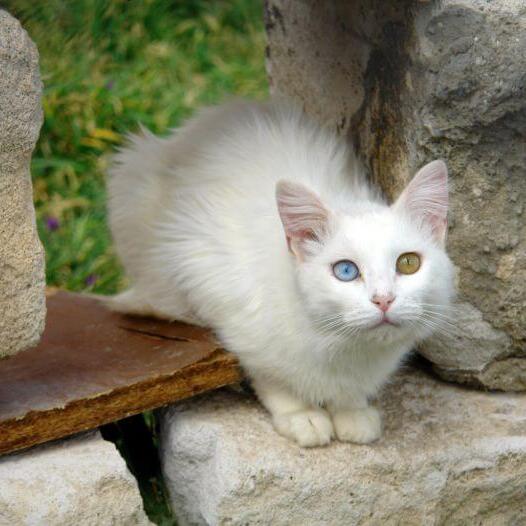
The Turkish Van originated in the region surrounding Lake Van in eastern Turkey. Unlike many modern cat breeds created through selective breeding, this breed evolved naturally over hundreds of years.
The harsh climate of the region influenced the development of the Turkish Van’s strong body and unique coat structure. During hot summers, the breed’s coat becomes lighter and shorter, while in winter it thickens for warmth and protection.
The breed eventually gained international recognition during the 20th century and remains relatively rare outside its native region.
Physical Appearance and Coat Characteristics
The Turkish Van has a powerful yet elegant appearance.
Key Physical Features
- Long muscular body
- Broad chest and strong shoulders
- Bushy tail
- Large expressive eyes
- Athletic build designed for jumping and climbing
Their bodies are strong and flexible, making them excellent climbers and jumpers.
Unique Coat Structure
One of the Turkish Van’s most distinctive features is its unique coat.
Coat Characteristics
- Semi-long silky fur
- Water-resistant texture
- Soft cashmere-like feel
- No heavy undercoat
Unlike many long-haired breeds, the Turkish Van’s coat is less likely to mat because it lacks a thick underlayer.
Traditional “Van Pattern”
The classic Turkish Van coat pattern is highly recognizable.
Traditional Color Pattern
- Mostly white body
- Colored markings on the head
- Colored bushy tail
Common Colors
| Color | Description |
|---|---|
| Red and White | Traditional classic pattern |
| Cream and White | Soft lighter appearance |
| Black and White | Bold contrast |
| Blue and White | Gray-blue markings |
The “Van pattern” is considered one of the breed’s defining characteristics.
Personality and Temperament

The Turkish Van is highly energetic, intelligent, and adventurous.
Core Personality Traits
- Independent yet affectionate
- Athletic and playful
- Highly curious
- Confident and fearless
- Intelligent and observant
Behavioral Characteristics
- Loves climbing and exploring
- Enjoys interactive games
- Often follows owners around
- Frequently investigates water sources
This breed thrives on activity and stimulation.
The Famous Love of Water

The Turkish Van is best known for its unusual fascination with water.
Common Water Behaviors
- Playing with running faucets
- Splashing paws in water bowls
- Attempting to enter bathtubs or sinks
- Some even enjoy swimming
Although not every Turkish Van loves swimming, many display far greater comfort around water than most cats.
Relationship with Humans and Families
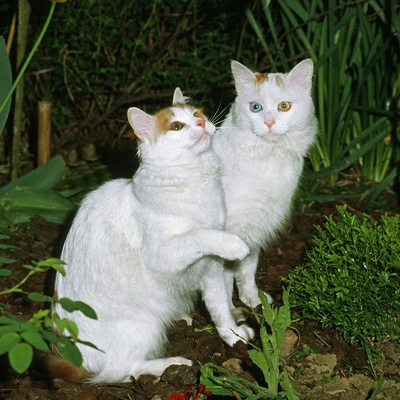
Turkish Vans form strong emotional bonds with family members while maintaining a confident personality.
Social Behavior
- Loyal to trusted owners
- Enjoys interactive companionship
- Usually good with respectful children
- Can coexist with other pets when socialized early
Unlike overly clingy breeds, Turkish Vans often prefer being near people while maintaining personal independence.
Living Environment and Adaptability
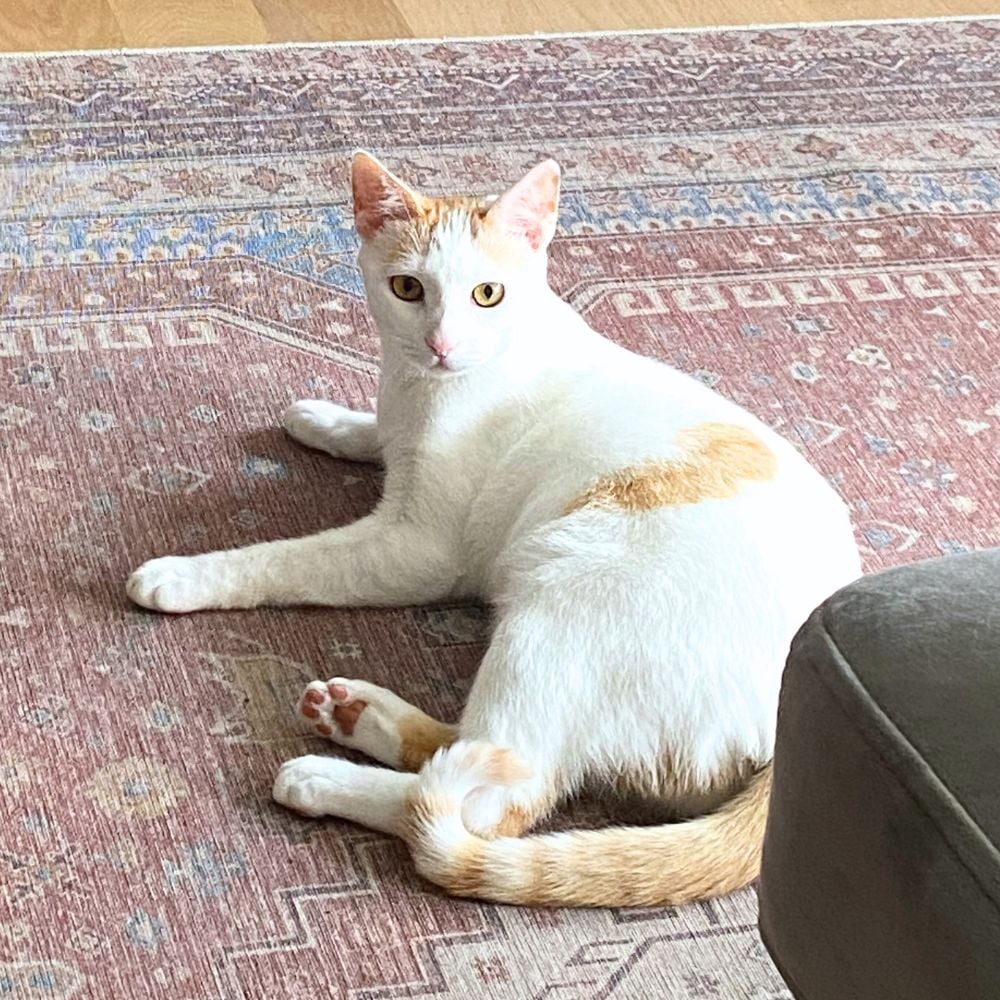
Because of their energy level, Turkish Vans require stimulating environments.
Ideal Living Conditions
- Homes with climbing space
- Active households
- Spacious indoor environments
Environmental Needs
- Tall cat trees
- Interactive toys
- Puzzle feeders
- Secure windows and balconies
They are highly curious and may attempt to explore unsafe areas if bored.
Exercise and Activity Requirements
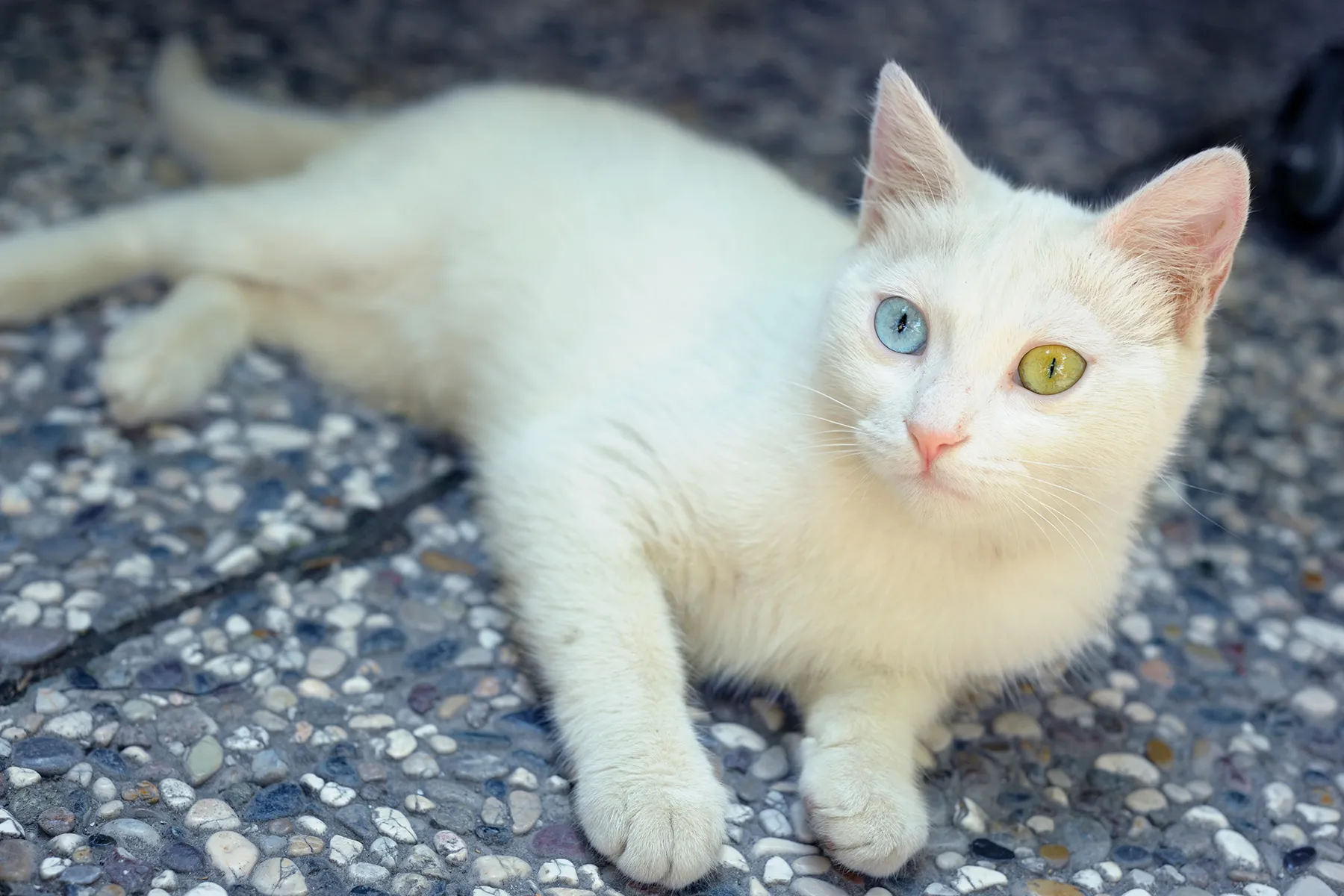
The Turkish Van is a naturally athletic breed that requires regular exercise.
Recommended Activities
- Climbing exercises
- Chasing toys
- Jumping activities
- Interactive puzzle games
Why Exercise Matters
Without enough activity, Turkish Vans may:
- Become destructive
- Develop boredom-related behaviors
- Gain excess weight
Daily play and mental stimulation are essential.
Intelligence and Mental Stimulation
Turkish Vans are highly intelligent cats capable of learning routines and solving challenges.
Mental Enrichment Ideas
- Puzzle feeders
- Interactive toys
- Clicker training
- Learning tricks
Some Turkish Vans can learn:
- Fetch games
- Responding to commands
- Opening doors or cabinets
Their intelligence makes them entertaining but also mischievous at times.
Diet and Nutrition
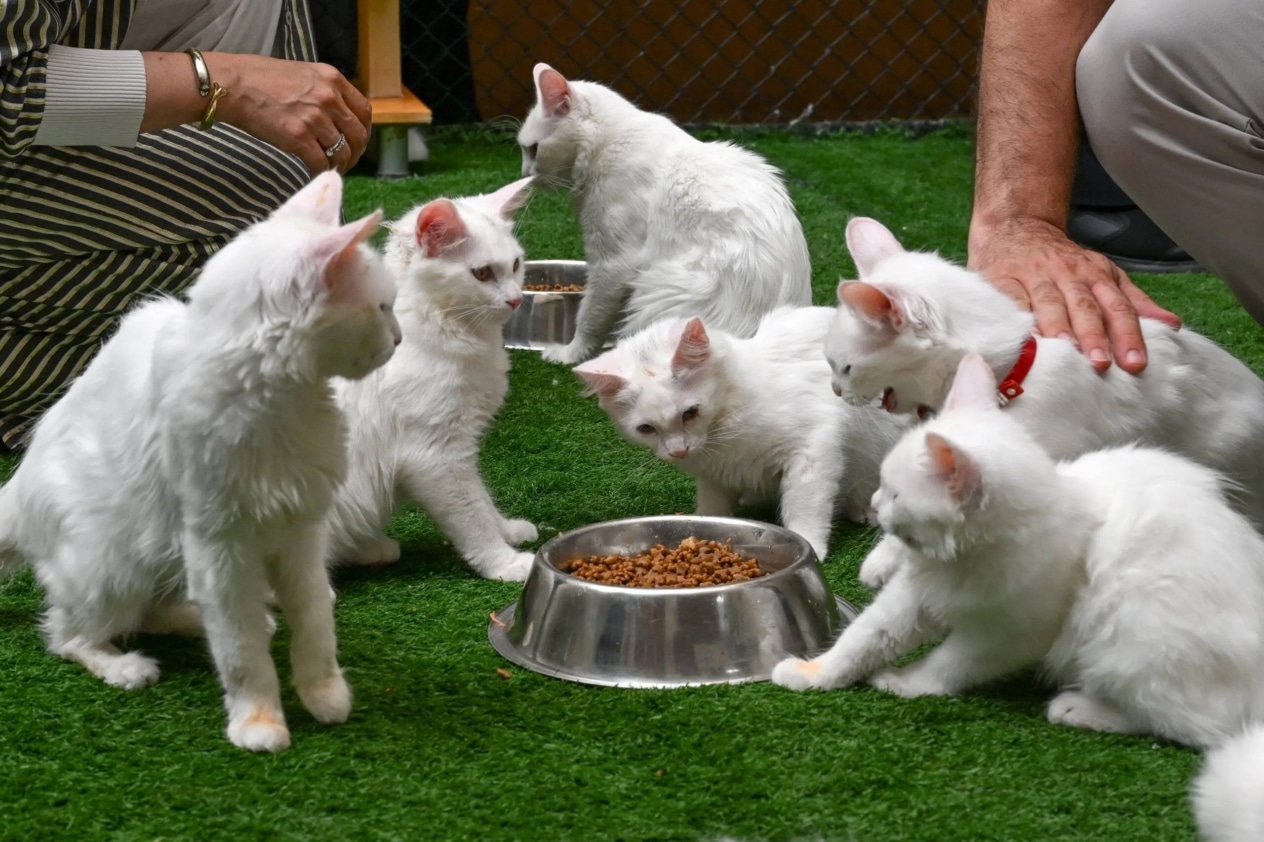
A balanced diet is essential for maintaining the Turkish Van’s muscular body and energy levels.
| Age Group | Meals per Day |
|---|---|
| Kitten | 3–4 meals |
| Adult | 2 meals |
| Senior | 1–2 meals |
Recommended Diet
- High-quality protein-rich cat food
- Healthy fats for coat condition
- Balanced vitamins and minerals
Important Feeding Tips
- Maintain healthy body weight
- Provide fresh water daily
- Avoid overfeeding treats
Foods to Avoid
- Chocolate
- Onions and garlic
- Sugary snacks
- Excess processed human food
Good nutrition supports muscle strength, coat health, and energy.
Grooming and Coat Maintenance
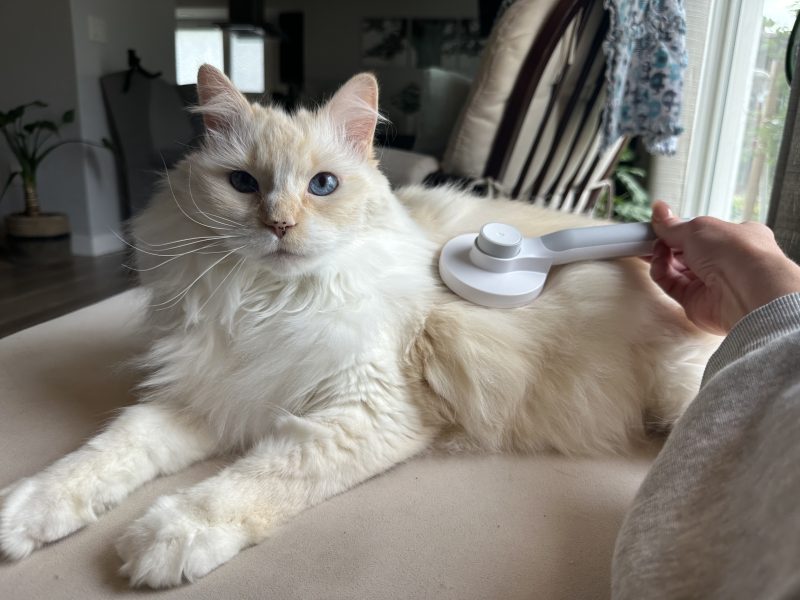
Despite its semi-long coat, the Turkish Van is relatively easy to groom.
Grooming Routine
- Brush 1–2 times weekly
- Increase brushing during seasonal shedding
- Occasional bathing if necessary
Additional Care Needs
- Nail trimming
- Ear cleaning
- Dental care
The coat’s silky texture resists matting better than many other long-haired breeds.
Health and Lifespan

The Turkish Van is generally considered a healthy natural breed.
Common Health Concerns
- Heart disease (rare cases)
- Obesity if inactive
- Hearing issues in some all-white cats
Preventive Care
- Routine veterinary checkups
- Balanced diet and exercise
- Regular dental hygiene
Because of their natural development, Turkish Vans often have strong overall health.
Training and Behavior
Turkish Vans are intelligent and capable of learning quickly.
Training Focus Areas
- Interactive play routines
- Harness training
- Puzzle-solving games
Behavior Notes
- Curious and adventurous
- Learns household routines quickly
- Can become mischievous when bored
Positive reinforcement training works extremely well with this breed.
Pros and Cons
Advantages
- Rare and beautiful appearance
- Highly intelligent and playful
- Fascinating love of water
- Strong athletic abilities
- Loyal and interactive personality
Disadvantages
- Very active and energetic
- Requires mental stimulation
- Can become mischievous
- May dislike long periods of isolation
Is a Turkish Van Right for You
The Turkish Van is ideal for active owners who enjoy intelligent and adventurous pets. It is perfect for households capable of providing climbing opportunities, regular play, and daily interaction.
However, it may not be suitable for people wanting a calm, low-energy lap cat. Turkish Vans thrive best in stimulating environments where they can explore, climb, and interact regularly.
SEO Keywords to Target
- Turkish Van cat care guide 2026
- Turkish Van personality traits
- Swimming cat breed
- Rare cat breeds
- Turkish Van grooming tips
- Active cat breeds
Final Thoughts
The Turkish Van is one of the most extraordinary and unique cat breeds in the world. Its love of water, athletic personality, silky coat, and independent intelligence make it a truly unforgettable companion.
With proper care, nutrition, exercise, grooming, and companionship, the Turkish Van becomes an energetic, loyal, and endlessly entertaining member of the family capable of bringing excitement and personality into everyday life.