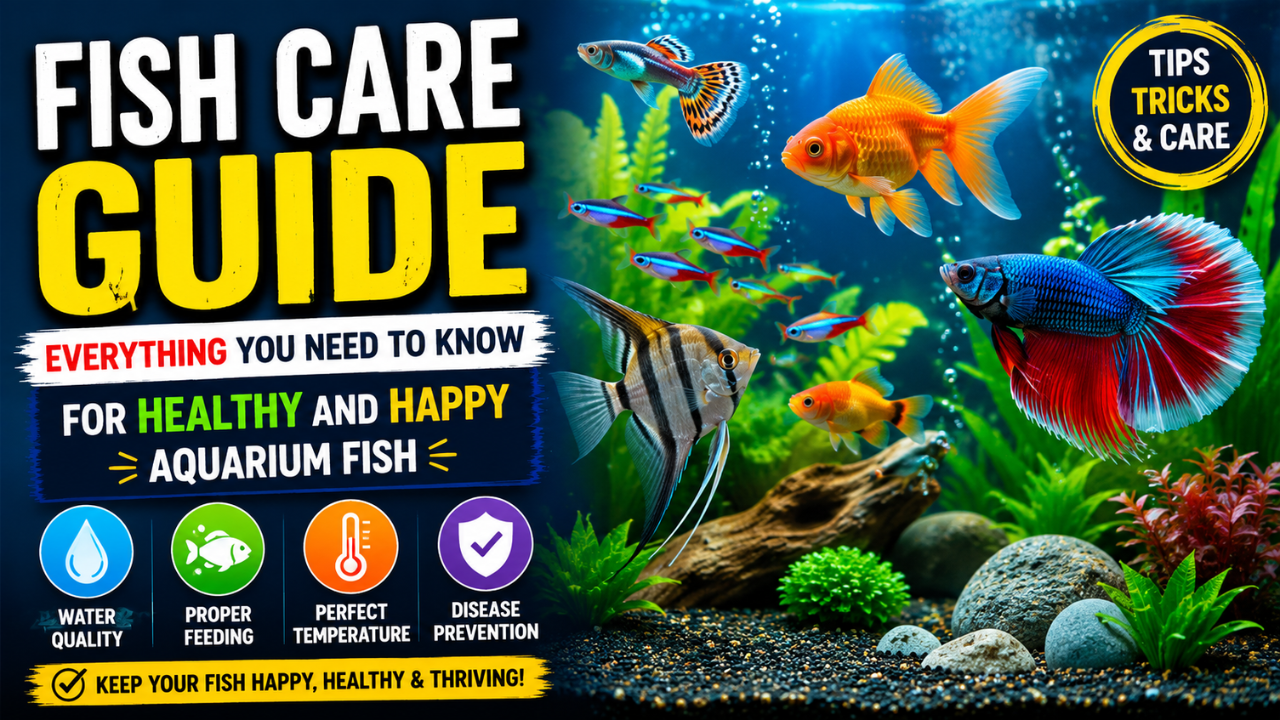
Fish Care Guide: Everything You Need to Know for Healthy and Happy Aquarium Fish
Keeping fish is one of the most rewarding hobbies for people of all ages. An aquarium adds beauty, tranquility, and a touch of nature to any home while providing a fascinating glimpse into the underwater world. However, healthy fish require more than just a tank and food. Proper fish care involves creating a suitable environment, maintaining excellent water quality, providing balanced nutrition, and understanding the unique needs of each species.
Whether you’re a beginner setting up your first aquarium or an experienced aquarist looking to improve your fish care routine, this comprehensive guide covers everything you need to know to keep your aquatic pets thriving.
Why Proper Fish Care Matters

Fish may seem low-maintenance compared to other pets, but they depend entirely on their owners for survival. Poor water quality, overfeeding, and improper tank conditions are among the most common causes of illness and premature death in aquarium fish.
By following proper care practices, you can:
- Extend your fish’s lifespan
- Prevent common diseases
- Enhance natural colors
- Encourage breeding behavior
- Reduce stress
- Create a beautiful, balanced aquarium
Healthy fish are more active, display brighter colors, and contribute to a thriving aquatic ecosystem.
Choosing the Right Fish

Before purchasing fish, research each species carefully. Not all fish have the same care requirements, and some species are incompatible with others.
Great Fish for Beginners
If you’re new to fishkeeping, consider hardy species such as:
- Goldfish
- Betta Fish
- Guppies
- Mollies
- Platies
- Zebra Danios
- Corydoras Catfish
- Neon Tetras
These fish are generally adaptable and easier to care for when proper tank conditions are maintained.
Compatibility Matters
Some fish are peaceful community species, while others are territorial or aggressive. Mixing incompatible fish can lead to stress, injuries, or even death.
Always research:
- Adult size
- Water requirements
- Temperament
- Schooling behavior
- Feeding habits
Planning your aquarium carefully helps create a peaceful environment.
Setting Up the Perfect Aquarium

A properly designed aquarium provides fish with a safe and stable habitat.
Choosing the Right Tank
Bigger tanks are often easier to maintain because water conditions remain more stable.
When selecting an aquarium, consider:
- Fish species
- Adult fish size
- Number of fish
- Available space
- Filtration requirements
Avoid overcrowding, as it increases waste and stress.
Essential Aquarium Equipment
Every healthy aquarium should include:
- Quality filter
- Aquarium heater (for tropical fish)
- Thermometer
- LED lighting
- Gravel or substrate
- Decorations
- Live or artificial plants
- Water conditioner
Each piece of equipment plays an important role in maintaining a healthy environment.
Understanding the Nitrogen Cycle
One of the most important concepts in fishkeeping is the nitrogen cycle.
Fish produce waste that releases ammonia, which is highly toxic. Beneficial bacteria convert ammonia into nitrite and then into nitrate, which is much less harmful.
A properly cycled aquarium contains colonies of beneficial bacteria that help keep the water safe.
Never add large numbers of fish to a brand-new aquarium without cycling it first.
Maintaining Excellent Water Quality
Water quality is the foundation of successful fish care.
Test your aquarium regularly for:
- Ammonia
- Nitrite
- Nitrate
- pH
- Temperature
Perform regular partial water changes—typically 20–30% each week—to remove waste and replenish essential minerals.
Always treat tap water with a water conditioner before adding it to the aquarium to remove chlorine and chloramine.
Feeding Your Fish Properly
:strip_icc()/GettyImages-686722837-5b22cd9b0e23d90036f501bd.jpg)
Nutrition plays a major role in fish health, growth, and coloration.
Choose high-quality foods designed for your specific fish species.
Common food types include:
- Flakes
- Pellets
- Freeze-dried foods
- Frozen foods
- Live foods
- Algae wafers
- Vegetable-based foods
Many fish also enjoy occasional treats such as bloodworms, brine shrimp, daphnia, or blanched vegetables.
Avoid Overfeeding
Overfeeding is one of the biggest mistakes new fish owners make.
Feed only what your fish can consume within two or three minutes.
Excess food sinks to the bottom, decomposes, and pollutes the water.
A consistent feeding schedule is healthier than offering food throughout the day.
Decorating Your Aquarium
Aquarium decorations do more than improve appearance—they also provide shelter and reduce stress.
Popular decorations include:
- Driftwood
- Rocks
- Caves
- Artificial plants
- Live aquatic plants
Fish use these structures for hiding, resting, and establishing territories.
Live plants also improve water quality by absorbing nitrates and producing oxygen.
The Benefits of Live Aquarium Plants
Natural plants create a healthier aquarium ecosystem.
Advantages include:
- Improved oxygen levels
- Reduced algae growth
- Natural hiding places
- Better water quality
- More natural behavior
Beginner-friendly aquarium plants include:
- Java Fern
- Anubias
- Amazon Sword
- Hornwort
- Java Moss
These species are relatively easy to maintain.
Fish Health and Disease Prevention
Healthy fish are active, alert, and eager to eat.
Common signs of illness include:
- Loss of appetite
- White spots
- Torn fins
- Rapid breathing
- Floating sideways
- Hiding constantly
- Clamped fins
- Unusual swimming patterns
Early detection greatly improves the chances of successful treatment.
Common Fish Diseases
Some of the most common aquarium fish diseases include:
- Ich (White Spot Disease)
- Fin Rot
- Velvet Disease
- Fungal Infections
- Swim Bladder Disorder
- Dropsy
Maintaining clean water and reducing stress are the best ways to prevent illness.
Cleaning Your Aquarium
Routine maintenance keeps your fish healthy and your aquarium looking its best.
Weekly maintenance should include:
- Partial water changes
- Gravel vacuuming
- Cleaning algae from the glass
- Checking filter performance
- Testing water parameters
Avoid replacing all the water at once, as this can shock fish and disrupt beneficial bacteria.
Similarly, never clean filter media with untreated tap water. Instead, rinse it gently in old aquarium water.
Creating a Stress-Free Environment
Stress weakens a fish’s immune system and makes disease more likely.
Reduce stress by:
- Maintaining stable water temperature
- Avoiding sudden changes in water chemistry
- Providing hiding places
- Preventing overcrowding
- Keeping aggressive fish separate
- Minimizing loud noises and vibrations
A calm environment encourages natural behavior and vibrant coloration.
Seasonal Aquarium Care
Seasonal temperature changes can affect aquarium conditions.
During warmer months:
- Monitor water temperature closely.
- Increase aeration if necessary.
- Prevent overheating.
During colder months:
- Ensure heaters function correctly.
- Avoid placing the aquarium near cold drafts.
Stable conditions are more important than chasing perfect numbers.
Building a Balanced Aquarium Ecosystem
A healthy aquarium is more than a container of water—it is a living ecosystem.
Beneficial bacteria, aquatic plants, decorations, substrate, and fish all work together to maintain biological balance.
Regular observation allows you to notice subtle changes before they become serious problems.
Patience is one of the most valuable skills in fishkeeping. Avoid making sudden changes, and allow your aquarium time to stabilize.
Conclusion
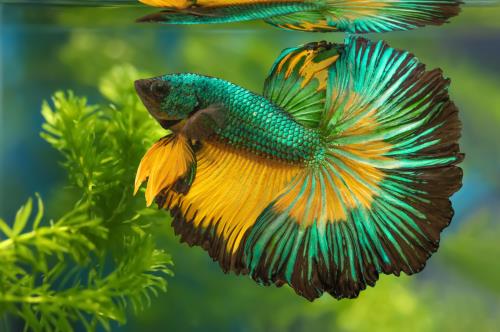
Fish are beautiful, fascinating pets that can thrive for many years with proper care. Success in fishkeeping comes from understanding the needs of your species, maintaining excellent water quality, providing nutritious food, and creating a safe, stress-free environment.
Whether you keep colorful tropical fish, elegant bettas, peaceful community fish, or fancy goldfish, responsible care ensures they remain healthy, active, and vibrant. By investing time in routine maintenance and learning about your aquatic pets, you’ll enjoy a thriving aquarium that brings beauty and relaxation to your home for years to come.