Pet Bird Care Guide: Everything You Need to Know to Keep Your Feathered Friend Happy and Healthy

Pet birds are among the most intelligent, colorful, and entertaining companions a person can own. From cheerful budgies and playful cockatiels to affectionate lovebirds and talking parrots, birds bring life and personality into any home. However, caring for a pet bird requires more than simply providing food and water. Birds have unique physical, emotional, and social needs that must be met to ensure they live long, healthy, and happy lives.
This comprehensive pet bird care guide covers everything bird owners need to know, from housing and nutrition to health and enrichment.
Choosing the Right Pet Bird
Before bringing a bird home, it is important to choose a species that matches your lifestyle and experience level.
Small birds such as budgies, canaries, and finches are generally easier to care for and require less space. Medium-sized birds like cockatiels and conures offer more interaction and personality. Larger parrots, including African greys and macaws, are highly intelligent but require significant attention, training, and commitment.
Research the lifespan, personality, noise level, and care requirements of each species before making a decision. Some parrots can live for several decades, making them a long-term responsibility.
Creating the Perfect Bird Habitat
A suitable cage is one of the most important aspects of bird care. Birds spend a significant amount of time in their cages, so they need enough room to move comfortably.
Choosing the Right Cage
The cage should be large enough for the bird to fully spread its wings without touching the sides. Horizontal bars are beneficial because they allow birds to climb and exercise.
When selecting a cage, consider:
- Adequate space for movement
- Safe bar spacing
- Strong and durable materials
- Easy-to-clean design
- Secure doors and locks
Cage Placement
Place the cage in a well-lit room where the family spends time. Birds are social animals and enjoy being part of daily activities.
Avoid placing cages:
- Near kitchens
- In direct sunlight for long periods
- Near air conditioners or heaters
- In drafty locations
- Close to toxic fumes or smoke
Providing a stable and comfortable environment helps reduce stress and promotes overall wellbeing.
Providing Proper Nutrition

A balanced diet is essential for maintaining your bird’s health and longevity.
Many bird owners mistakenly believe seeds alone are sufficient. While seeds can be part of the diet, they should not be the primary food source for most pet birds.
Healthy Foods for Birds
A nutritious bird diet may include:
- High-quality bird pellets
- Fresh vegetables
- Fresh fruits
- Whole grains
- Cooked legumes
- Small amounts of healthy seeds
Vegetables such as carrots, broccoli, spinach, bell peppers, and peas provide valuable vitamins and minerals.
Fruits like apples, berries, mangoes, and papayas can be offered as occasional treats.
Foods to Avoid
Certain foods are toxic to birds and should never be offered.
These include:
- Chocolate
- Avocado
- Alcohol
- Caffeine
- Onion
- Garlic
- Fruit pits and seeds from certain fruits
- Salty snacks
- Sugary foods
Always provide clean, fresh water and replace it daily.
The Importance of Social Interaction
Birds are highly social creatures. In the wild, many species live in flocks and spend much of their time communicating with others.
A lack of social interaction can lead to:
- Depression
- Excessive screaming
- Feather plucking
- Aggressive behavior
- Stress
Spend quality time with your bird every day. Talking, training, and playing together helps build trust and strengthens your bond.
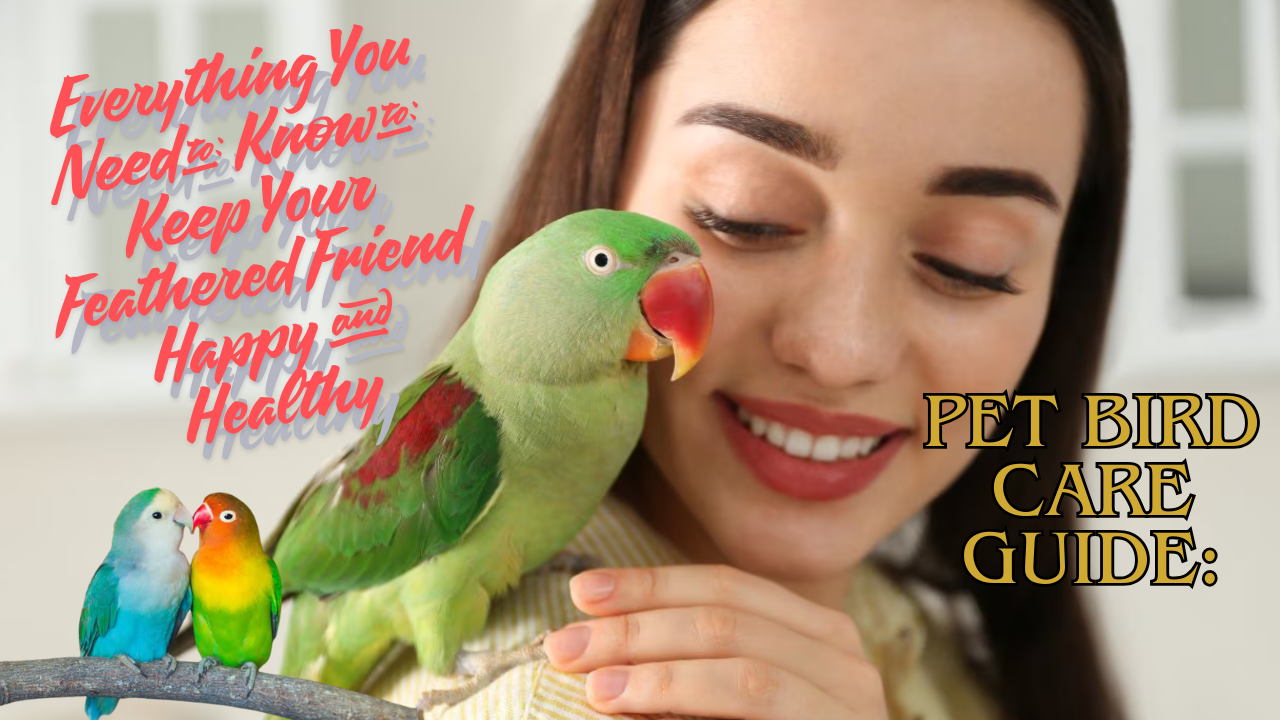
Many pet birds enjoy sitting on their owner’s shoulder, learning tricks, and participating in family activities.
Mental Stimulation and Enrichment
Birds are among the most intelligent animals kept as pets. Without adequate mental stimulation, they can quickly become bored.
Bird Toys
Provide a variety of toys to encourage natural behaviors such as chewing, climbing, and problem-solving.
Popular bird toys include:
- Puzzle toys
- Foraging toys
- Swings
- Bells
- Rope toys
- Wooden chew toys
- Ladders
Rotate toys regularly to maintain interest and prevent boredom.
Training Your Bird
Positive reinforcement training is an excellent way to stimulate your bird mentally.
Simple training activities include:
- Step-up commands
- Target training
- Recall training
- Trick training
Training sessions should be short, enjoyable, and reward-based.
Exercise and Physical Activity
Regular exercise is essential for maintaining healthy muscles and preventing obesity.
Whenever possible, allow your bird supervised time outside its cage in a safe environment.
Before allowing free flight or exploration:
- Close windows and doors
- Turn off ceiling fans
- Remove toxic plants
- Keep other pets away
- Cover mirrors if necessary
Exercise improves physical fitness while supporting emotional health.
Maintaining Bird Hygiene
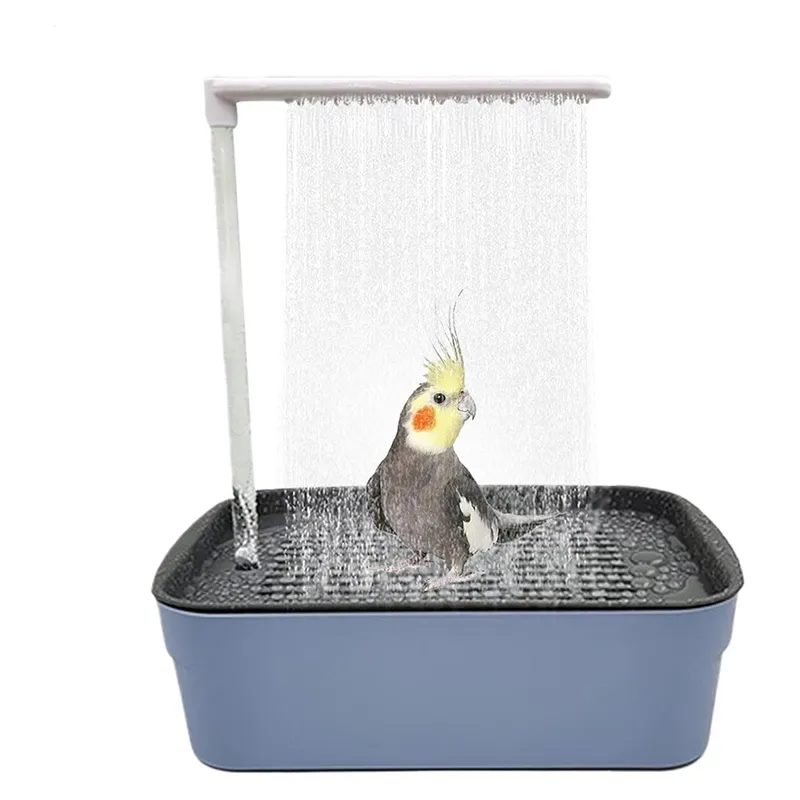
Cleanliness plays a major role in preventing illness.
Cage Cleaning
Daily cleaning tasks include:
- Replacing food and water
- Removing droppings
- Cleaning food dishes
Weekly cleaning should involve:
- Washing perches
- Disinfecting toys
- Cleaning cage bars
- Replacing cage liners
A clean environment helps reduce bacterial growth and disease risk.
Bathing
Many birds enjoy bathing regularly.
You can provide:
- A shallow water dish
- Gentle misting with clean water
- Bird-safe bathing accessories
Bathing helps maintain healthy feathers and skin.
Understanding Bird Behavior
Birds communicate through body language and vocalizations.
Learning to interpret these signals can improve your relationship with your pet.
Signs of a Happy Bird
- Singing or chirping
- Bright eyes
- Active behavior
- Relaxed posture
- Healthy appetite
Signs of Stress or Illness
- Fluffed feathers
- Loss of appetite
- Lethargy
- Difficulty breathing
- Feather plucking
- Changes in droppings
Birds often hide symptoms until they become seriously ill, making early observation extremely important.
Common Health Concerns in Pet Birds
Preventive care is the best approach to bird health.
Common health problems include:
- Respiratory infections
- Nutritional deficiencies
- Parasites
- Obesity
- Beak disorders
- Feather problems
Schedule regular checkups with an avian veterinarian and seek immediate medical attention if you notice unusual behavior.
Quarantine New Birds
If introducing a new bird to your home, quarantine it for several weeks before allowing contact with existing birds. This helps prevent the spread of disease.
Ensuring Bird Safety at Home
Modern homes contain many hidden dangers for birds.
Potential hazards include:
- Non-stick cookware fumes
- Aerosol sprays
- Candles
- Cigarette smoke
- Toxic plants
- Electrical cords
- Open water containers
Bird-proofing your home can prevent accidents and improve overall safety.
Building a Strong Bond with Your Bird
Trust is the foundation of a positive bird-owner relationship.
To strengthen your bond:
- Speak calmly and consistently
- Respect your bird’s boundaries
- Offer healthy treats
- Spend daily quality time together
- Use positive reinforcement
Each bird has its own personality, and patience is key to building a lasting friendship.
Conclusion
Caring for a pet bird involves much more than providing a cage and food. Birds require proper nutrition, mental stimulation, social interaction, exercise, and regular health care to thrive. By understanding their unique needs and creating a safe, enriching environment, owners can enjoy many years of companionship with these intelligent and fascinating animals.
Whether you own a budgie, cockatiel, lovebird, or parrot, investing time and effort into proper care will reward you with a happy, healthy, and affectionate feathered companion. Responsible bird ownership not only improves your bird’s quality of life but also creates a strong bond that can last for many years.