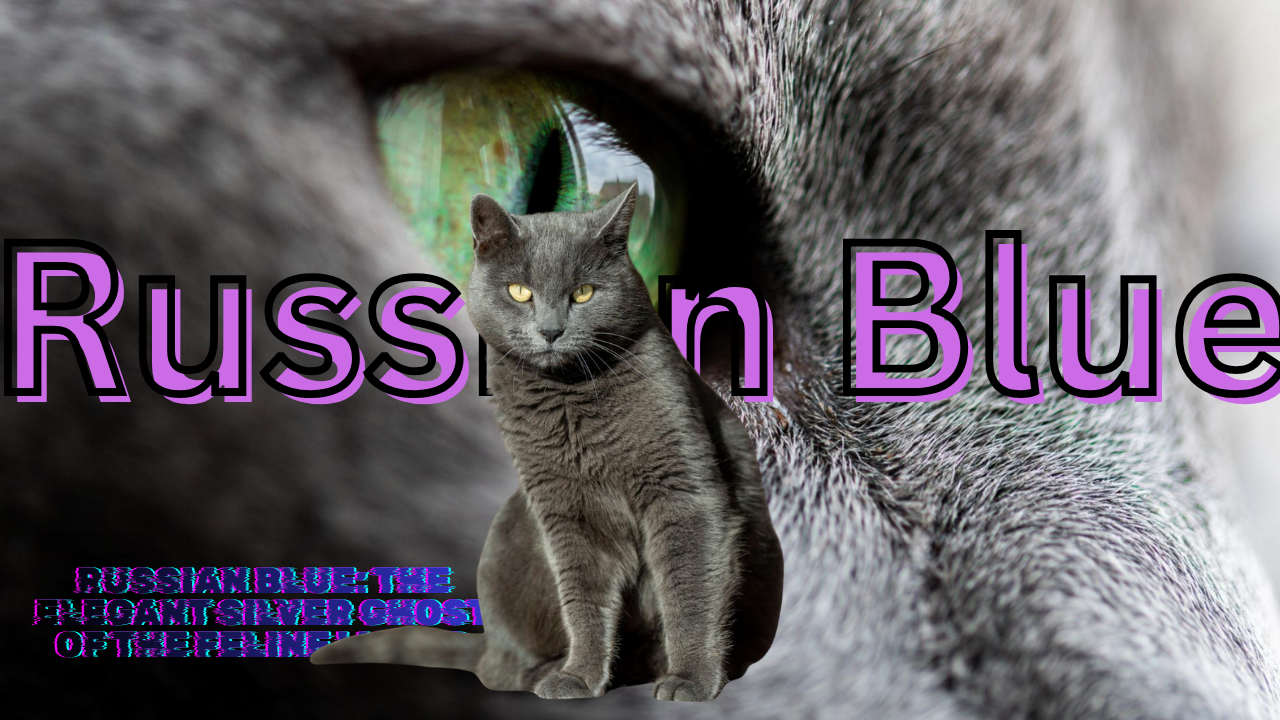
Russian Blue: The Elegant Silver Ghost of the Feline World

The Russian Blue is one of the most elegant, intelligent, and emotionally balanced cat breeds in the world. Known for its shimmering silver-blue coat, emerald-green eyes, and calm yet deeply loyal personality, this breed represents quiet sophistication in the feline world.
Unlike attention-seeking or overly energetic cats, the Russian Blue is subtle in behavior, emotionally reserved, and highly observant. It does not demand constant attention but instead builds strong, long-term emotional trust with its owner. This makes it one of the best cat breeds for people who prefer peace, stability, and low-maintenance companionship.
Often called a “silver ghost” due to its quiet movement and glowing coat under natural light, the Russian Blue is both visually stunning and emotionally comforting.
Overview of the Russian Blue
| Feature | Details |
|---|---|
| Origin | Russia (Arkhangelsk region) |
| Breed Type | Natural short-haired cat |
| Weight | 3–5.5 kg |
| Lifespan | 15–20 years |
| Temperament | Calm, loyal, intelligent, sensitive |
| Coat Type | Dense double silver-blue coat |
| Energy Level | Low to Moderate |
| Shedding Level | Low |
The Russian Blue is widely considered one of the most emotionally stable and well-balanced domestic cat breeds.
The breed’s calm temperament and predictable behavior make it especially suitable for apartment living, quiet households, and owners who prefer a peaceful pet experience.
Physical Appearance and Body Structure
| Feature | Description |
|---|---|
| Body Type | Slim but muscular |
| Build | Elegant and athletic |
| Head Shape | Wedge-shaped |
| Eyes | Bright emerald green |
| Ears | Large and upright |
| Tail | Long and tapering |
| Movement | Silent, smooth, floating |
The Russian Blue has a refined body structure that combines athletic strength with graceful elegance. Its movement is extremely quiet, giving it a floating, shadow-like presence when it walks.
This physical design is not only beautiful but also functional, allowing the cat to move efficiently and silently in its environment.
History and Origins

| Aspect | Details |
|---|---|
| Region of origin | Northern Russia (Arkhangelsk) |
| Development type | Natural evolution in cold climate |
| Early role | Farm and ship cat for rodent control |
| Spread | Europe in the 1800s via sailors |
| Modern role | Companion cat breed |
The Russian Blue developed naturally in harsh Arctic conditions, which shaped its intelligence, survival instincts, and thick protective coat.
Sailors introduced the breed to Europe, where its unique appearance and calm behavior quickly made it popular among aristocrats and cat lovers.
The Silver-Blue Double Coat

| Coat Feature | Explanation |
|---|---|
| Outer layer | Silver-tipped guard hairs |
| Inner layer | Dense insulating undercoat |
| Texture | Soft velvet-like feel |
| Shedding | Low overall |
| Visual effect | Shimmering silver glow |
The Russian Blue coat is one of its most iconic features. It reflects light in a way that creates a natural silver shimmer, giving the cat a glowing appearance.
This coat is also practical, as it helps regulate temperature and provides protection from environmental changes.
Personality and Temperament

| Trait | Description |
|---|---|
| Loyalty | Strong but selective |
| Intelligence | High and observant |
| Social behavior | Reserved and calm |
| Emotional style | Sensitive and stable |
| Independence | Balanced |
The Russian Blue is not an attention-seeking cat. Instead, it forms deep emotional bonds slowly and carefully.
Once trust is established, the bond becomes extremely strong and long-lasting, often centered around one or two primary humans.
The breed is emotionally sensitive, meaning it reacts strongly to changes in tone, environment, and routine.
Behavioral Traits
| Behavior | Meaning |
|---|---|
| Following owner | Silent companionship |
| Sitting nearby | Trust and comfort |
| Watching quietly | Observation instinct |
| Routine preference | Stability seeking |
| Stranger caution | Protective behavior |
The Russian Blue prefers to observe before interacting. It is not impulsive and usually evaluates situations before engaging.
Communication Style
| Method | Purpose |
|---|---|
| Soft meows | Gentle requests |
| Eye contact | Emotional bonding |
| Body posture | Mood expression |
| Following behavior | Attachment signal |
Unlike vocal breeds, the Russian Blue communicates in subtle ways. It relies more on body language and presence than sound.
Relationship with Humans and Families

| Relationship Type | Behavior |
|---|---|
| Primary owner | Deep emotional bond |
| Family members | Friendly but selective |
| Children | Gentle if calm |
| Strangers | Shy and cautious |
| Other pets | Peaceful if introduced slowly |
The Russian Blue is deeply loyal but not overly social. It prefers meaningful connections over broad social interaction.
Living Environment Needs
| Factor | Requirement |
|---|---|
| Home type | Quiet indoor home |
| Noise level | Low |
| Routine | Stable daily structure |
| Stress level | Minimal |
The Russian Blue thrives in peaceful environments. Loud or chaotic homes may cause stress or withdrawal behavior.
Home Setup Requirements
| Item | Purpose |
|---|---|
| Cat tree | Climbing and observation |
| Scratching post | Natural behavior support |
| Window perch | Visual stimulation |
| Soft bedding | Comfort and safety |
A well-structured indoor environment helps the Russian Blue feel secure and mentally stimulated.
Exercise and Activity Needs

| Activity | Frequency |
|---|---|
| Light play | Daily |
| Puzzle toys | 3–5 times weekly |
| Climbing | Regular |
| Exploration | Moderate |
The breed enjoys play but in short, controlled sessions rather than long intense activity.
Energy Profile
| Category | Level |
|---|---|
| Energy | Moderate |
| Playfulness | Medium-low |
| Activity demand | Balanced |
The Russian Blue is calm by nature but still needs daily interaction to stay healthy and engaged.
Intelligence and Mental Stimulation
| Ability | Level |
|---|---|
| Problem solving | High |
| Memory | Strong |
| Learning speed | Moderate-high |
| Routine adaptation | Excellent |
The breed is intelligent and responds well to structured learning and predictable training methods.
Mental Enrichment
| Activity | Benefit |
|---|---|
| Puzzle feeders | Cognitive stimulation |
| Treat training | Positive reinforcement |
| Clicker training | Skill development |
| Interactive toys | Engagement |
Mental stimulation is important to prevent boredom and maintain emotional balance.
Diet and Nutrition

| Age Group | Meals per Day |
|---|---|
| Kitten | 3–4 |
| Adult | 2 |
| Senior | 1–2 |
A balanced diet helps maintain energy, coat health, and long-term wellbeing.
Nutritional Requirements
| Nutrient | Function |
|---|---|
| Protein | Muscle development |
| Omega fatty acids | Coat shine and health |
| Vitamins | Immune support |
| Minerals | Bone strength |
Proper nutrition directly affects coat quality and overall vitality.
Foods to Avoid
| Food | Risk |
|---|---|
| Chocolate | Toxicity |
| Onion/Garlic | Blood damage |
| Sugar | Obesity |
| Processed food | Poor nutrition |
Avoiding harmful foods is essential for long-term health.
Grooming and Maintenance
| Task | Frequency |
|---|---|
| Brushing | 1–2 times weekly |
| Nail trimming | Regular |
| Ear cleaning | Occasional |
| Bathing | Rare |
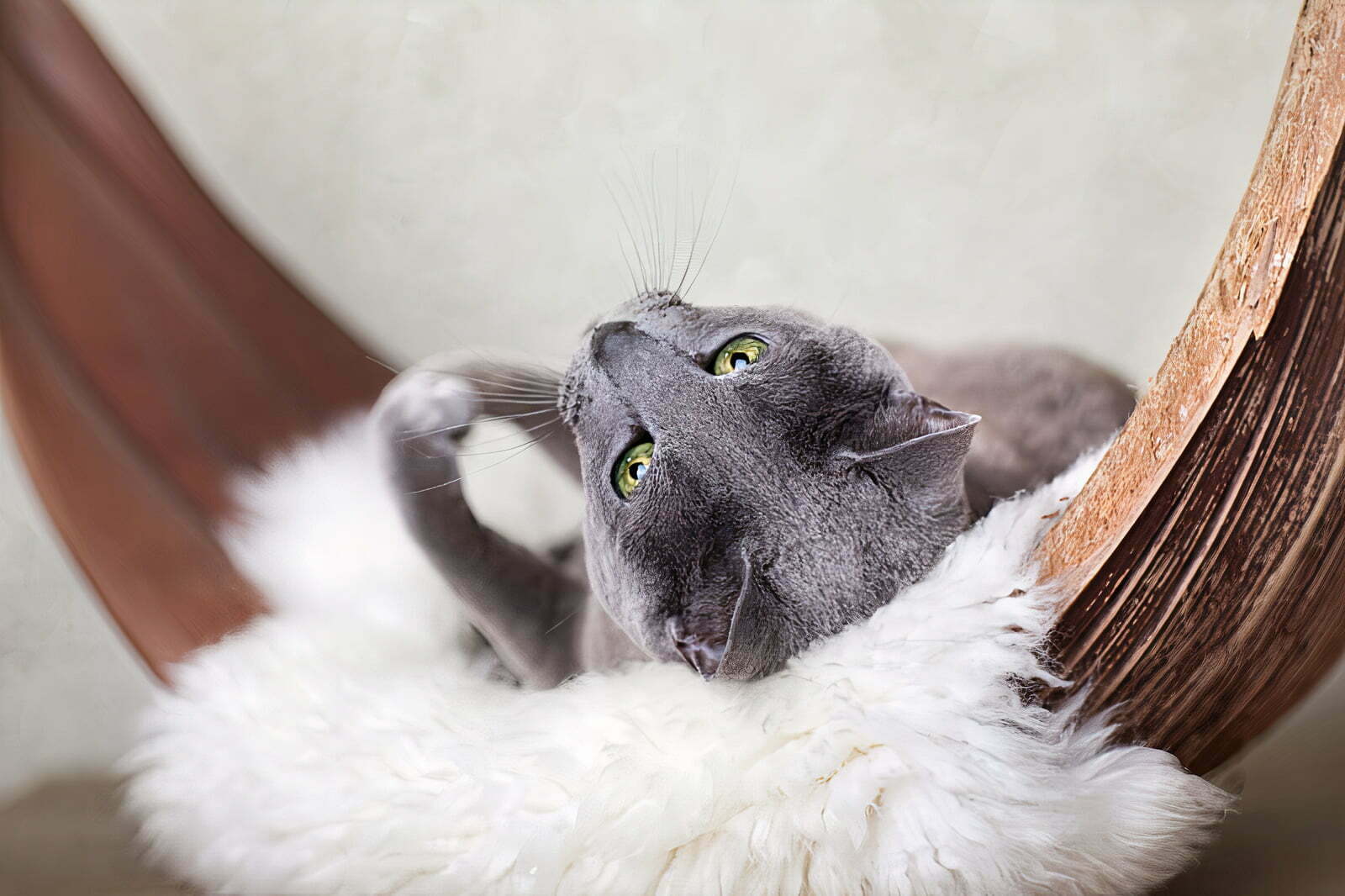
Grooming is simple due to the breed’s low-maintenance coat structure.
Health and Lifespan

| Factor | Detail |
|---|---|
| Lifespan | 15–20 years |
| General health | Strong |
| Main risk | Obesity |
Routine care and proper diet help ensure a long, healthy life.
Common Health Issues
| Issue | Cause |
|---|---|
| Weight gain | Low activity |
| Dental disease | Poor hygiene |
| Stress sensitivity | Environmental change |
Preventive care plays a key role in maintaining health.
Pros and Cons
| Pros | Cons |
|---|---|
| Calm personality | Shy with strangers |
| Beautiful coat | Not highly playful |
| Loyal bonding | Needs patience |
| Low shedding | Emotionally sensitive |
| Easy grooming | Not highly social |
Is the Russian Blue Right for You
| Lifestyle | Suitability |
|---|---|
| Quiet home | Excellent |
| Apartment living | Excellent |
| Busy noisy home | Poor fit |
| Highly active owner | Moderate fit |
The Russian Blue is best suited for calm, stable environments where emotional consistency is valued.
Final Thoughts

The Russian Blue is a refined, intelligent, and emotionally deep cat breed that offers quiet companionship rather than demanding attention.
Its silver-blue shimmering coat, calm personality, and strong loyalty make it one of the most elegant domestic cats in the world.
With proper care, stability, and understanding, the Russian Blue becomes a lifelong companion that brings emotional comfort, peace, and gentle presence into everyday life.