Macaw Parrot: Complete Care Guide for New Bird Owners

Who is Macaw Parrot

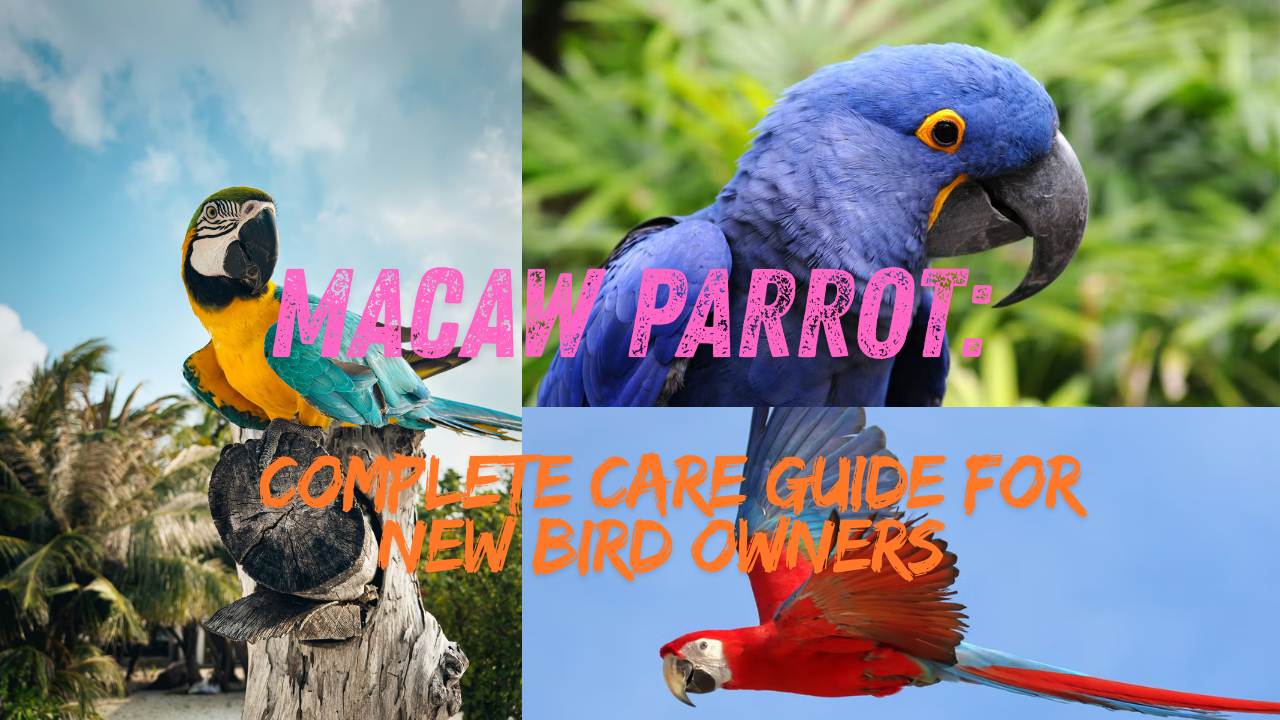
A macaw parrot is a large, colorful bird that belongs to the genus Ara within the parrot family. Macaws are well known for their bright feathers, long tails, and strong curved beaks. These birds are among the most recognizable parrots in the world and are admired for their beauty and intelligence.
Macaws are native to the tropical forests of Central America and South America. In the wild, they usually live in pairs or small groups and spend much of their time flying, searching for food, and communicating with other birds. Their loud calls can often be heard across forests as they interact with their flock members.
Several species of macaws are popular, including the Blue-and-yellow macaw and the Scarlet macaw. These birds are famous for their striking colors, which can include shades of blue, yellow, red, and green.
Macaws are also highly intelligent birds. They are capable of learning sounds, mimicking speech, and forming strong bonds with their owners when kept as pets. Because of their intelligence and long lifespan—often between 30 and 50 years—macaws require proper care, attention, and a stimulating environment to live a healthy and happy life.
Ideal Cage and Habitat for Macaws
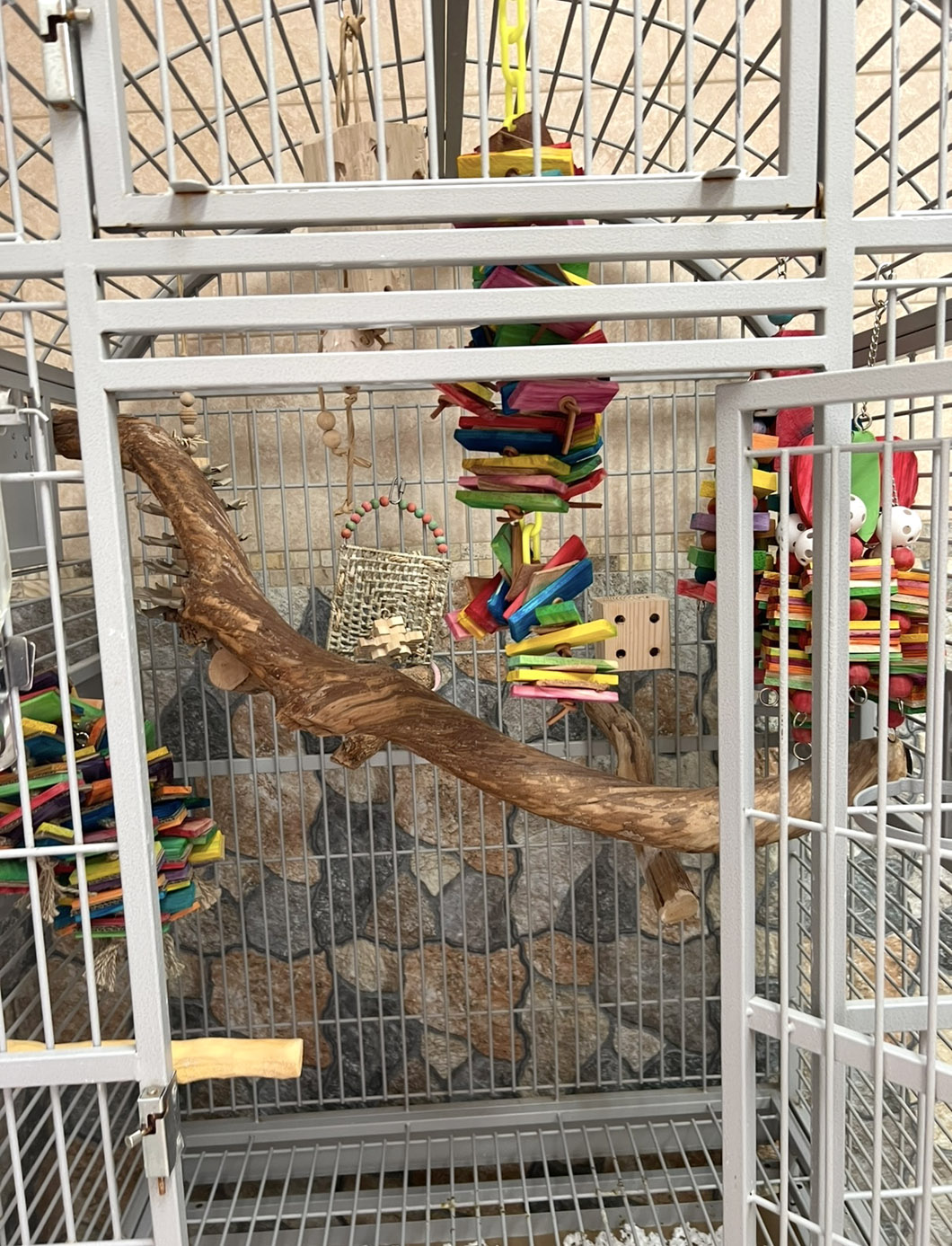
Macaws are large birds that require plenty of space to move and stretch their wings.
Cage Size
A macaw cage should be very spacious and sturdy. The cage should allow the bird to fully spread its wings without touching the sides.
Perches and Toys
Macaws need multiple perches made from natural wood. Toys such as ropes, wooden blocks, and puzzle toys help prevent boredom.
Location of the Cage
The cage should be placed in a social area of the house where the bird can see and interact with family members. However, avoid placing it in direct sunlight or near drafts.
Feeding Your Macaw
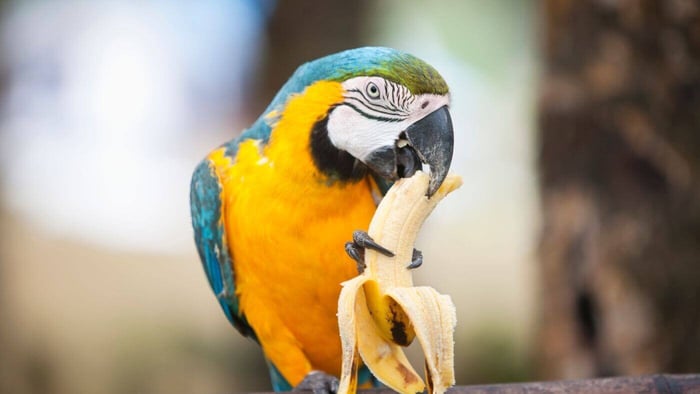
A balanced diet is essential for keeping a macaw healthy.
Recommended Foods
- High-quality parrot pellets
- Fresh fruits such as apples, bananas, and berries
- Vegetables like carrots, broccoli, and leafy greens
- Nuts in moderation
Fresh water should always be available.
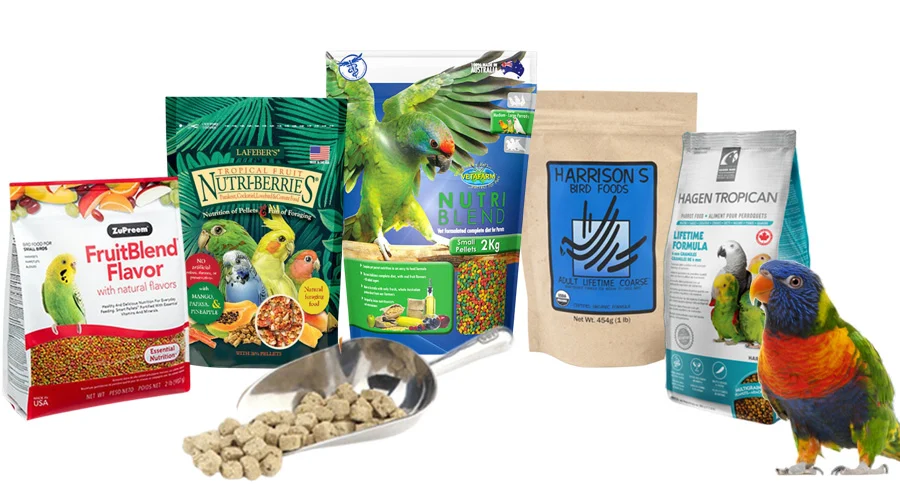
Foods to Avoid
Certain foods are dangerous for birds, including:
- Chocolate
- Caffeine
- Avocado
- Alcohol
- Salty or sugary foods
Macaw Behavior and Intelligence

Macaws are renowned for their vibrant personalities and high social nature. Some key behavioral traits include:
- Highly Social – Macaws thrive on interaction, both with humans and other birds. They often form strong bonds with their owners and can become very affectionate. A lonely macaw may develop behavioral issues like feather plucking or loud screaming.
- Playful and Energetic – They are active birds that love to climb, chew, and explore. Providing toys, perches, and safe spaces to move around helps channel their energy positively.
- Vocal and Expressive – Macaws are known for loud calls, squawks, and mimicking sounds or words. This makes them expressive companions but requires patience if living in shared spaces.
- Curious and Mischievous – Their intelligence drives curiosity; they enjoy investigating their surroundings and may get into mischief if not supervised.
- Territorial and Protective – Some macaws can be territorial, especially around their cage or favorite person. Early socialization helps reduce aggressive tendencies.
Macaw Intelligence
Macaws are among the smartest bird species, showing advanced cognitive abilities:
- Problem-Solving Skills – Macaws can manipulate objects, open cages, and solve puzzles, demonstrating high levels of reasoning.
- Mimicry and Communication – They can mimic human speech, sounds, and even simple songs. Beyond mimicry, they can learn context, using words appropriately to express needs or emotions.
- Emotional Awareness – Macaws recognize moods of their human companions and other birds, responding with affection or caution.
- Memory and Learning – They have excellent long-term memory, remembering people, routines, and places. Training them is effective when using positive reinforcement consistently.
- Creative Play – They engage in playful behavior that reflects creativity, like stacking toys, using tools, or inventing games, which highlights their cognitive flexibility.
| Trait | Description | Tips for Owners |
|---|---|---|
| Social | Loves interaction and bonding | Spend daily quality time |
| Energetic | Active and playful | Provide climbing spaces and toys |
| Vocal | Loud and expressive | Use training to manage calls |
| Curious | Explores environment | Supervise and enrich surroundings |
| Intelligent | Problem-solving and mimicry | Engage with puzzles, training, and learning games |
| Emotional | Recognizes moods | Respond to their emotions kindly |
Common Health Issues in Macaws

1. Feather Plucking
- Description: Macaws may pull out their own feathers due to stress, boredom, or underlying medical issues.
- Causes: Anxiety, insufficient mental stimulation, poor diet, skin infections.
- Prevention/Tips: Provide toys, social interaction, and a balanced diet. Consult a vet if plucking persists.
2. Psittacine Beak and Feather Disease (PBFD)
- Description: A viral disease affecting the beak, feathers, and immune system.
- Symptoms: Abnormal feather growth, beak deformities, weight loss.
- Prevention/Tips: Test birds before introducing new companions. Maintain strict hygiene. No cure exists, but supportive care can help.
3. Respiratory Infections
- Description: Macaws can develop infections in their lungs and air sacs.
- Symptoms: Sneezing, nasal discharge, difficulty breathing, lethargy.
- Prevention/Tips: Avoid drafts, dusty environments, and exposure to sick birds. Prompt vet care is essential.
4. Nutritional Deficiencies
- Description: A poor diet can cause vitamin and mineral deficiencies, leading to weak bones, feather issues, and poor immunity.
- Common Deficiencies: Calcium, Vitamin A, and essential fatty acids.
- Prevention/Tips: Feed a mix of pellets, fresh fruits, vegetables, and nuts. Avoid all-seed diets.
5. Obesity
- Description: Overfeeding or lack of exercise can lead to excessive weight.
- Risks: Fatty liver disease, heart problems, reduced mobility.
- Prevention/Tips: Encourage daily physical activity and monitor calorie intake.
6. Parasitic Infections
- Description: Macaws may suffer from internal (worms) or external (mites, lice) parasites.
- Symptoms: Itching, feather damage, diarrhea, weight loss.
- Prevention/Tips: Keep cages clean and regular vet check-ups with parasite control.
7. Toxicity
- Description: Exposure to harmful substances can be fatal.
- Sources: Teflon-coated cookware fumes, heavy metals (lead, zinc), pesticides.
- Prevention/Tips: Ensure a safe, non-toxic environment and avoid contaminated food or cookware.
Macaw Health Issues
| Health Issue | Symptoms | Prevention / Care |
|---|---|---|
| Feather Plucking | Missing or broken feathers | Mental stimulation, social interaction, vet check |
| PBFD | Beak deformities, abnormal feathers | Quarantine new birds, hygiene |
| Respiratory Infections | Sneezing, labored breathing | Avoid drafts/dust, vet care |
| Nutritional Deficiencies | Weak bones, poor feathers | Balanced diet with fruits, veggies, pellets |
| Obesity | Weight gain, reduced activity | Exercise, controlled diet |
| Parasites | Itching, diarrhea, feather loss | Cage hygiene, vet treatments |
| Toxicity | Vomiting, weakness, death | Avoid Teflon, heavy metals, toxins |
Daily Macaw Care Routine
| Care Activity | Recommended Frequency | Purpose |
|---|---|---|
| Provide fresh food and water | Daily | Maintain proper nutrition |
| Social interaction and playtime | Daily | Prevent boredom and stress |
| Clean food bowls | Daily | Maintain hygiene |
| Replace or rotate toys | Weekly | Mental stimulation |
| Deep cage cleaning | Weekly | Prevent bacteria and odor |
| Health observation | Daily | Detect illness early |
Conclution
| Care Aspect | Key Point | Why It Is Important |
|---|---|---|
| Housing | Provide a large, sturdy cage or aviary | Macaws need space to move, stretch wings, and stay comfortable |
| Diet | Feed a balanced diet of pellets, fruits, vegetables, and nuts | Proper nutrition keeps macaws healthy and prevents deficiencies |
| Social Interaction | Spend time with your macaw every day | Macaws are social birds that need attention and bonding |
| Mental Stimulation | Provide toys, puzzles, and playtime | Prevents boredom and behavioral problems |
| Hygiene | Clean the cage and food bowls regularly | Maintains a safe and healthy environment |
| Health Monitoring | Observe behavior, feathers, and appetite | Early detection of illness improves treatment success |
FAQ
How long do macaws live?
Macaws usually live between 30 and 50 years, and some may live even longer with excellent care
Are macaws good pets for beginners?
Macaws are generally recommended for experienced bird owners because they require a lot of time, space, and attention.
Can macaws talk?
Yes, many macaws can mimic human speech and learn a variety of sounds.
What do macaws eat?
A healthy macaw diet includes pellets, fruits, vegetables, and a small amount of nuts
Do macaws need daily interaction?
Yes. Macaws are highly social birds and need daily attention and mental stimulation to stay healthy and happy.