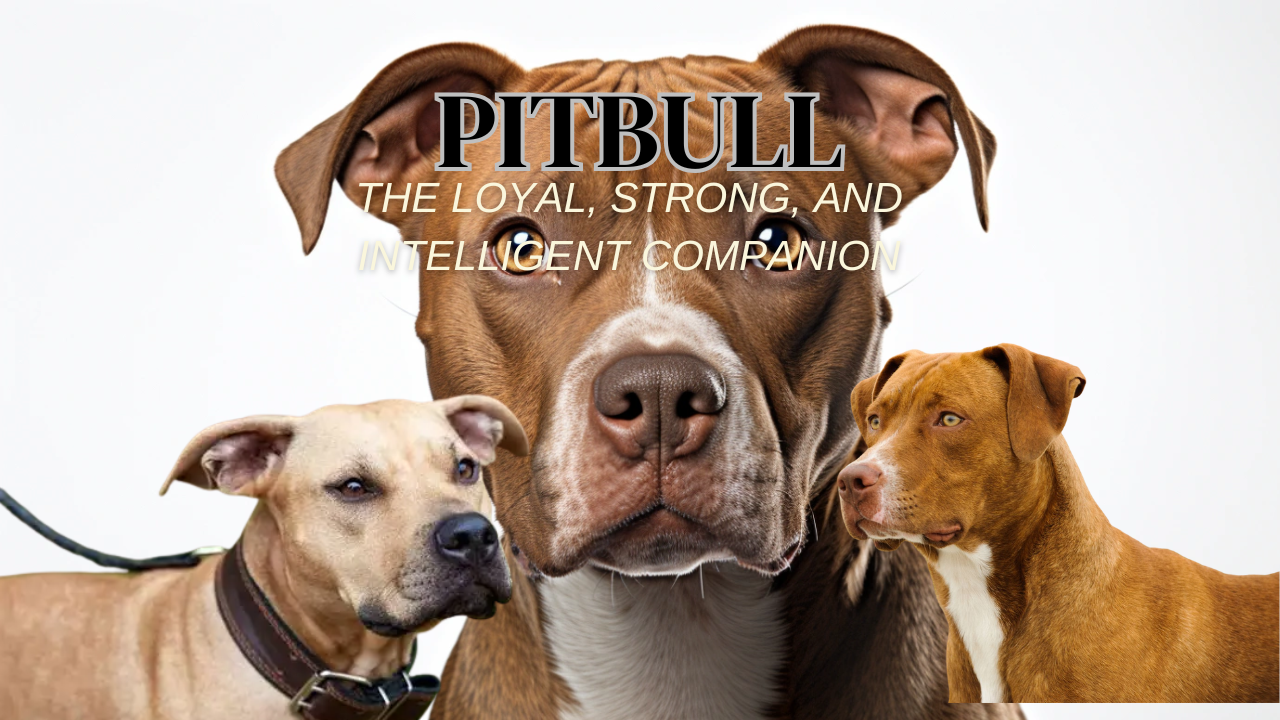
Pitbull: The Loyal, Strong, and Intelligent Companion
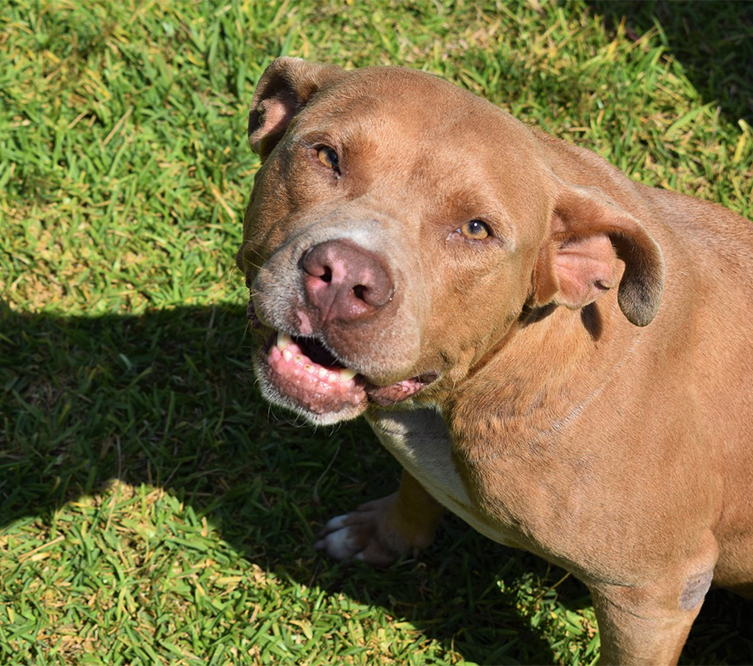
Pitbulls are powerful, energetic, and deeply affectionate dogs that have become popular companions around the world. Although they are sometimes misunderstood because of their muscular build and media stereotypes, responsible owners know them as loving, people-oriented pets. Pitbulls are known for their loyalty, courage, and playful spirit. When raised with care, training, and socialization, they become gentle family members who form strong emotional bonds with their humans.
What Does “Pitbull” Mean?
“Pitbull” is not a single breed name. It is a general term used to describe several related breeds that share similar physical features and ancestry. The most commonly recognized Pitbull-type breeds include:
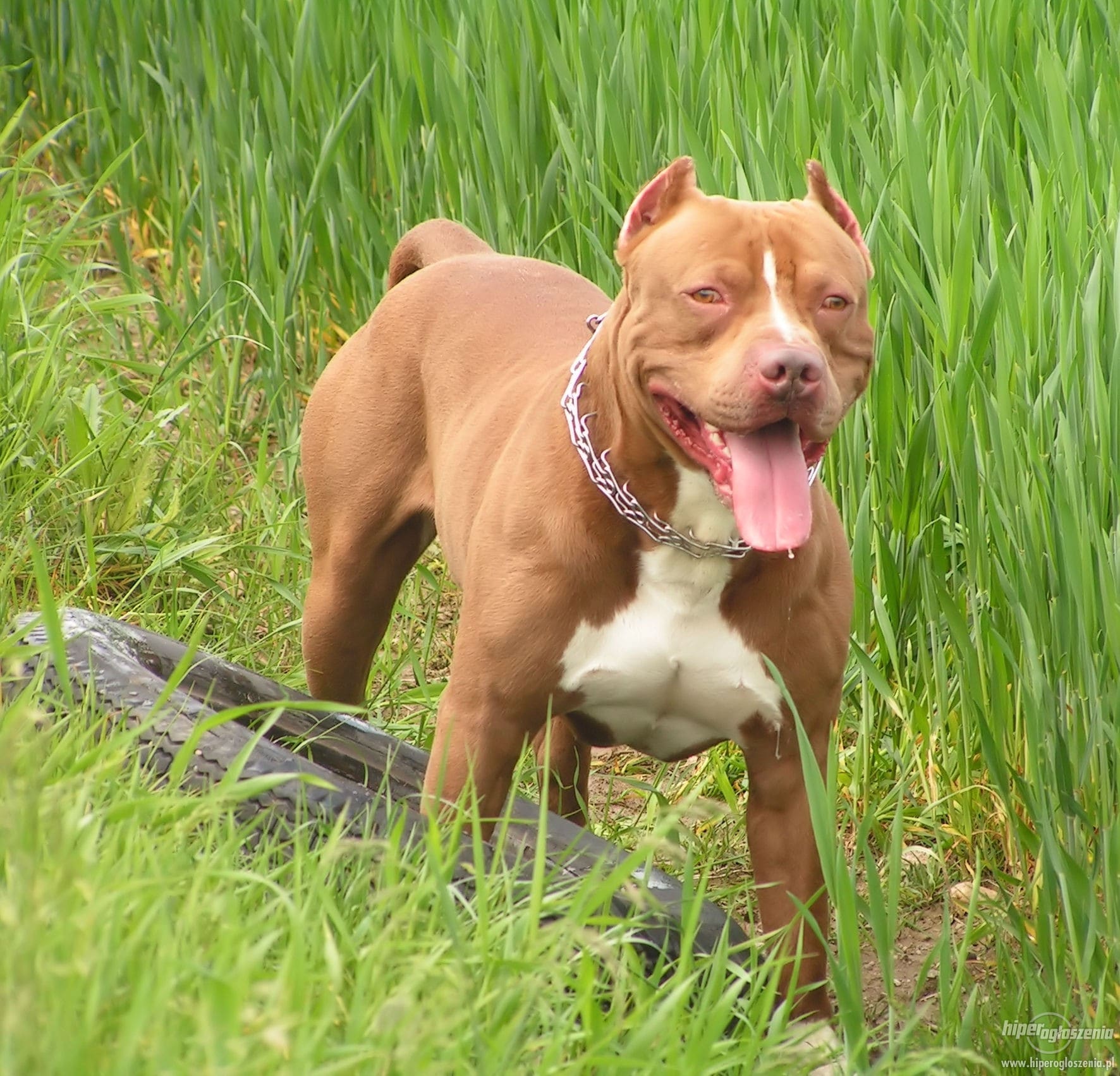
- American Pit Bull Terrier
- American Staffordshire Terrier
- Staffordshire Bull Terrier
- American Bully
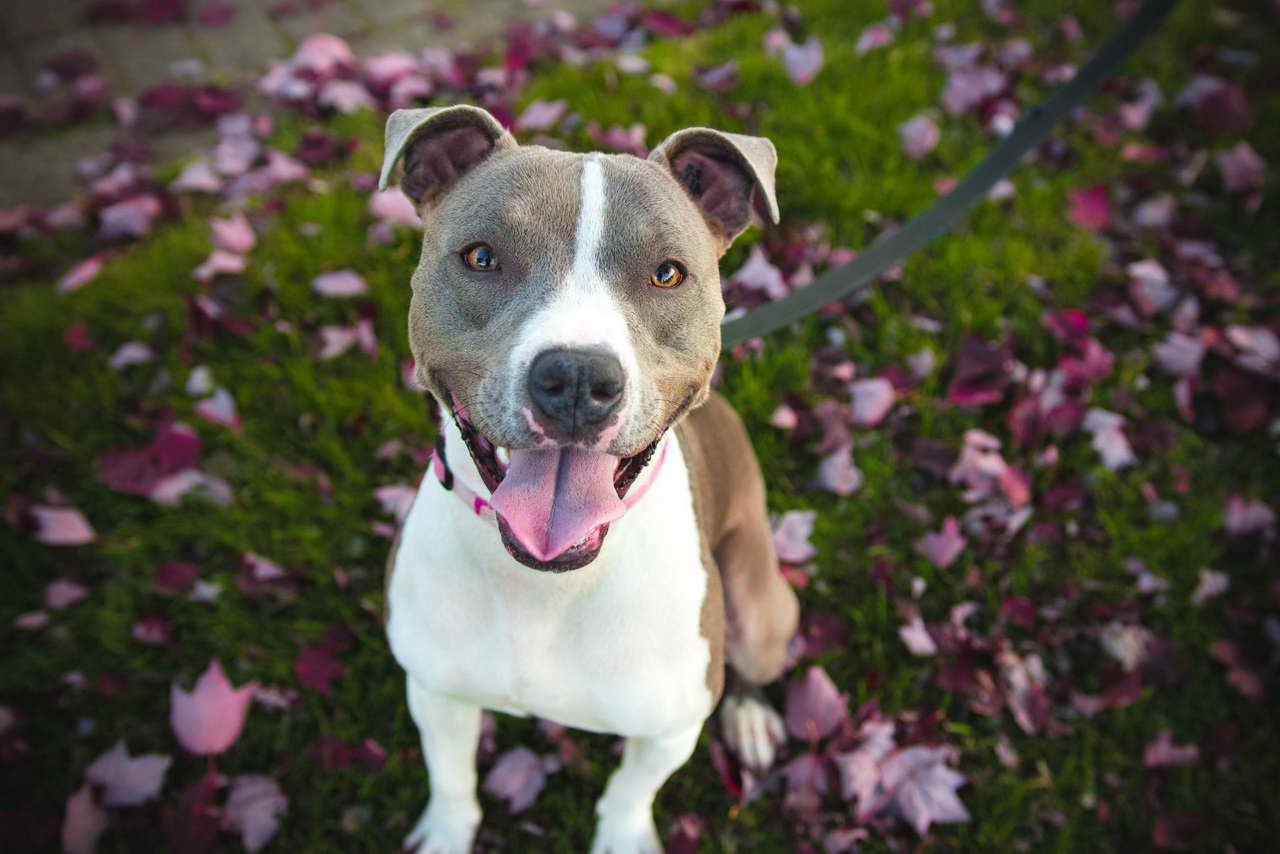
These breeds typically have a medium height, strong muscular body, broad head, short coat, and powerful stance. Despite their tough appearance, they are companion dogs that crave human attention.
Physical Characteristics
Pitbull-type dogs share several noticeable physical traits:
/pit-JodyTrappePhotography-moment-GettyImages-127863612-56c9e6af5f9b5879cc49fba9.jpg)
- Size: Medium-sized dogs
- Height: Around 43–53 cm (17–21 inches)
- Weight: 14–36 kg (30–80 lbs), depending on breed
- Build: Strong, athletic, and muscular
- Coat: Short, smooth, and easy to groom
- Colors: Found in many colors including black, white, brown, gray, brindle, and mixed patterns
Their strength and agility make them excellent at active tasks, sports, and outdoor play.
Personality and Temperament

Pitbulls are affectionate and emotionally expressive dogs. They love being close to their owners and enjoy physical affection such as cuddling and leaning against people. Their loyalty is one of their strongest traits — they become very devoted to their families and are often protective without being naturally aggressive.
They are also:
- Energetic: Need daily exercise and playtime
- Intelligent: Fast learners who enjoy training
- Confident: Brave and alert in new environments
- People-friendly: Usually friendly with familiar people and children
Proper upbringing plays a major role in shaping their temperament.
Living Needs and Environment
Pitbulls are indoor companion dogs that prefer staying close to their families rather than living outside alone. They do best in homes where they receive attention, structure, and daily interaction.
Essential living needs include:
- At least 1–2 hours of physical activity daily
- Secure fencing if they have outdoor space
- Comfortable indoor sleeping area
- Mental stimulation through training or toys
They can live in apartments if exercised properly, but active households suit them best.
Training and Socialization (Very Important)
Training is essential for Pitbulls because of their strength and energy level. Without guidance, they may develop stubborn or overly excited behavior. Positive reinforcement training — rewarding good behavior with treats and praise — works best.
Early socialization helps them:
- Stay calm around strangers
- Interact safely with other animals
- Adjust to different environments and sounds
Professional guidance and structured training programs are strongly recommended by organizations like the American Kennel Club.
Health, Lifespan, and Care
Pitbulls are generally healthy dogs with a lifespan of 12–14 years when properly cared for.
Routine care includes:
- Vaccinations and regular vet checkups
- Balanced, high-protein diet
- Daily exercise to prevent obesity
- Nail trimming and dental hygiene
- Occasional brushing for coat health
Common health concerns:
- Hip dysplasia
- Skin allergies
- Heart disease
- Knee joint issues
Early detection and proper veterinary care keep them healthy and active.
Legal and Ownership Responsibilities
In some countries and cities, Pitbull-type dogs may face breed-specific regulations. Owners should always check local laws before adoption. Responsible ownership includes proper training, secure handling, and ensuring the dog is well-socialized.
Animal welfare organizations such as the ASPCA emphasize that a dog’s behavior depends more on responsible ownership than breed alone.
Myths, Misconceptions, and Reality
Pitbulls are often misunderstood due to media portrayal and misinformation. Some people believe they are naturally aggressive, but scientific and behavioral experts agree that a dog’s behavior depends largely on training, environment, and owner responsibility rather than breed alone.
Animal welfare organizations such as the ASPCA actively work to educate the public about responsible ownership and fair treatment of Pitbull-type dogs. Many Pitbulls serve as therapy animals, search-and-rescue dogs, and loving household pets, proving their intelligence and gentle nature when raised properly.
Are Pitbulls Good Family Dogs?
Yes — when properly raised, Pitbulls can be loving and gentle family pets. They are playful with children, affectionate with adults, and protective of their homes. However, supervision is important with young kids, just like with any strong dog breed.Pitbulls are best suited for owners who can provide time, attention, exercise, and consistent training. They thrive in active households where they are treated as family members rather than guard animals. First-time owners can successfully raise Pitbulls if they are committed to learning proper training and care methods.
However, people looking for very low-energy or highly independent pets may find Pitbulls demanding. Understanding their needs before adoption helps ensure a happy and responsible ownership experience.
They are best suited for owners who:
- Have time for daily exercise
- Can provide consistent training
- Want an active and loyal companion
- Are responsible and patient
Key Facts at a Glance
- ✅ Highly loyal and affectionate
- ✅ Intelligent and trainable
- ✅ Strong and energetic
- ⚠️ Need proper training and socialization
- ⚠️ Require active lifestyle and attention
Conclusion
Pitbulls are strong in body but soft in heart. Their loyalty, intelligence, and affectionate personalities make them deeply rewarding companions for responsible owners. When given love, structure, and proper care, they grow into gentle, protective, and joyful family members. Looking beyond stereotypes allows people to see Pitbulls for who they truly are — devoted friends with endless love to give.