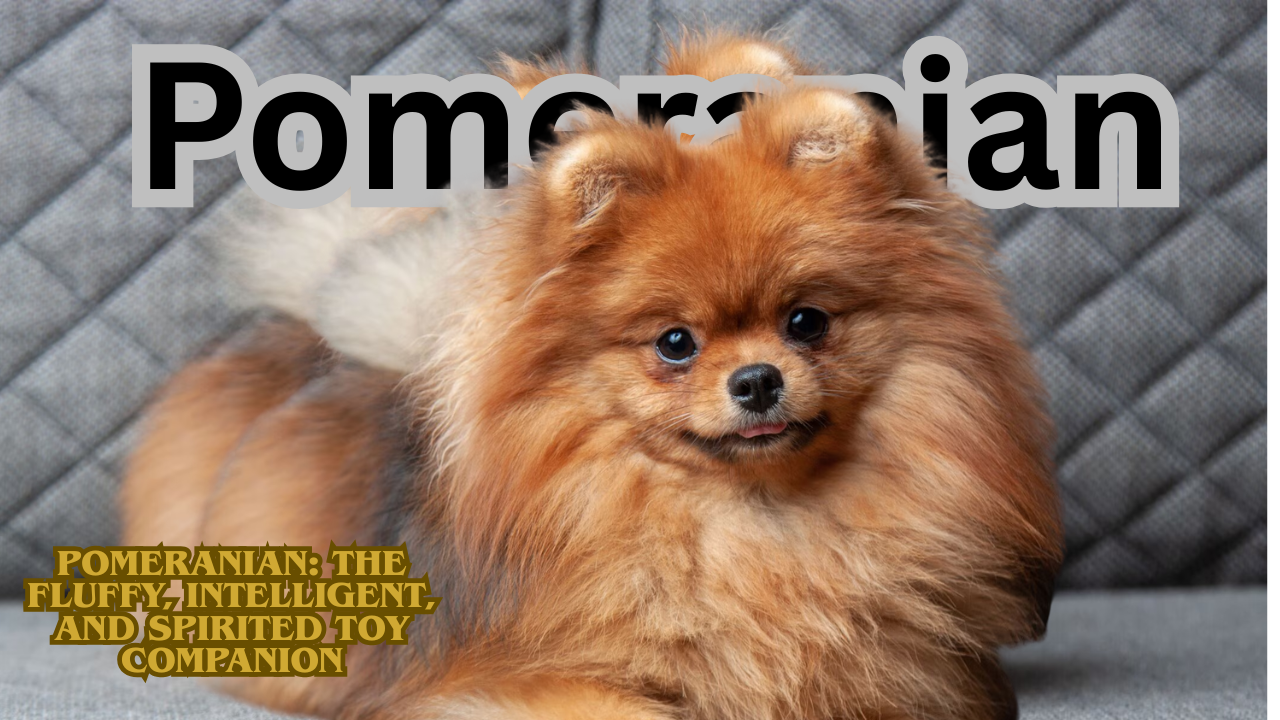
Pomeranian: The Fluffy, Intelligent, and Spirited Toy Companion
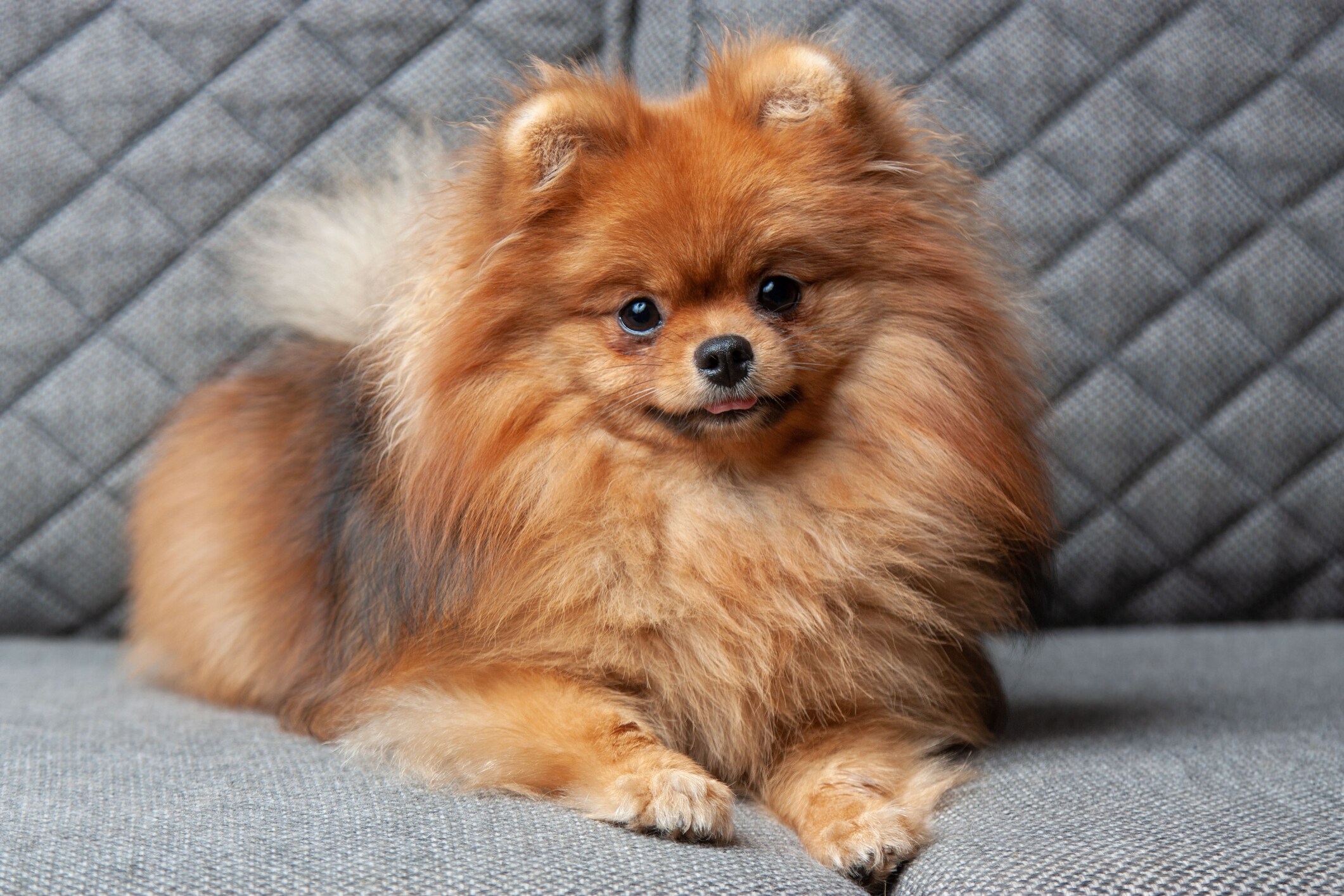
The Pomeranian is a small dog with a remarkably big personality. Known for its thick, fluffy coat and confident attitude, this breed has become one of the most popular companion dogs around the world. Although it belongs to the toy group today, its origins trace back to larger working dogs related to Arctic breeds like the Siberian Husky. This heritage explains why Pomeranians are energetic, alert, and surprisingly fearless despite their small size.
What truly makes the Pomeranian special is its balance of beauty and intelligence. It is not just a decorative pet; it is an active, curious, and emotionally connected companion that thrives on human interaction. Owners often describe their Pomeranians as lively, loyal, and full of character, making them ideal for people who want a small but engaging dog.
Overview of the Pomeranian
The Pomeranian developed in the Pomerania region of Europe and later gained popularity among royalty, especially during the time of Queen Victoria. Through selective breeding, the size of the dog was reduced, creating the compact and elegant version we see today.
| Feature | Details |
|---|---|
| Origin | Pomerania (Germany/Poland region) |
| Breed Group | Toy |
| Height | 18–24 cm |
| Weight | 1.5–3.5 kg |
| Lifespan | 12–16 years |
| Coat Type | Thick double coat |
| Temperament | Bold, lively, intelligent |
| Energy Level | Moderate to High |
Appearance and Coat Characteristics

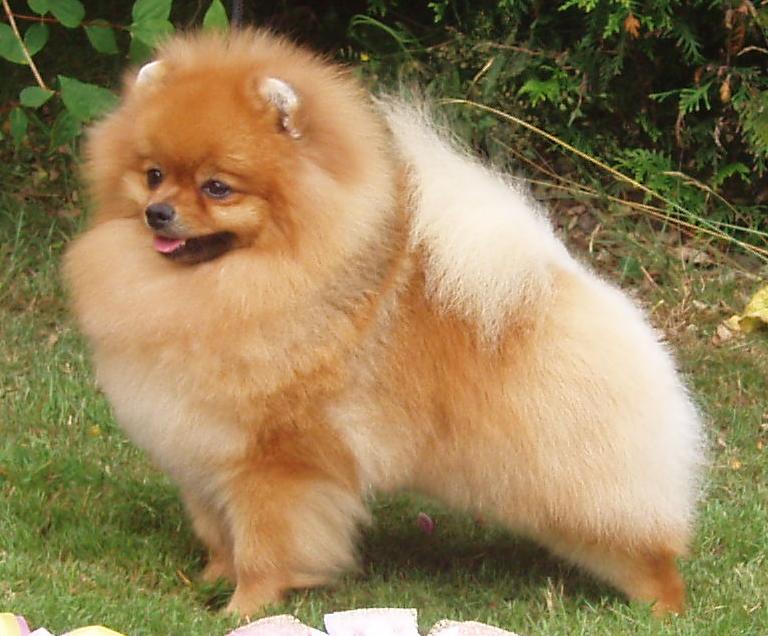
The Pomeranian’s appearance is one of its most defining features. Its dense double coat gives it a rounded, fluffy look, often making it resemble a small fox. The outer coat stands away from the body, while the soft undercoat adds volume and insulation. This unique structure requires consistent grooming to maintain its shape and health.
Key Physical Features
- Compact and lightweight body
- Fox-like face with pointed ears
- Bright and expressive eyes
- Thick neck ruff that creates a lion-like appearance
- Plume-like tail carried over the back
Common Coat Colors
- Orange
- Black
- White
- Cream
- Sable
- Blue
- Chocolate
- Parti-color combinations
Personality and Temperament
The Pomeranian is lively, intelligent, and full of confidence. Despite its small size, it often behaves like a much larger dog, showing boldness and curiosity in everyday situations. It enjoys being around people and forms strong emotional bonds with its owner.
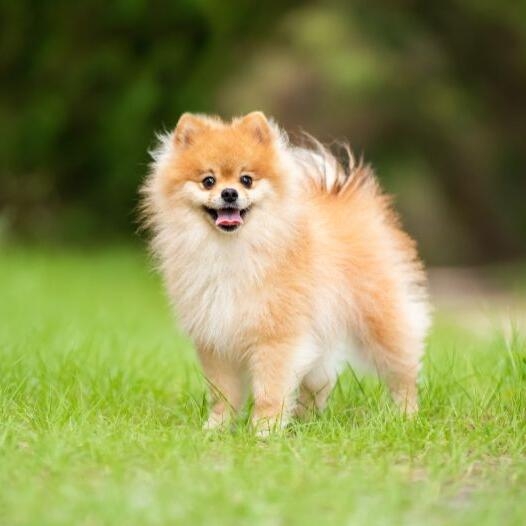
These dogs are naturally alert and may bark to signal unfamiliar sounds or visitors. While this makes them effective watchdogs, early training is important to control excessive barking. Socialization from a young age helps them adapt well to different environments and people.
Core Personality Traits
- Confident and fearless
- Playful and energetic
- Loyal and affectionate
- Alert and responsive
Living Environment and Lifestyle Needs
The Pomeranian adapts very well to indoor living, making it ideal for apartments and small homes. It does not require a large yard but does need a safe and comfortable environment where it can move freely and interact with its owner.
Due to its small size, it is important to prevent accidents such as jumping from high places or rough handling. The thick coat also makes it sensitive to heat, so cooler indoor environments are more suitable in warm climates.
Ideal Living Conditions
- Apartment or compact home
- Indoor-focused lifestyle
- Regular human interaction
Exercise and Mental Stimulation
Although the Pomeranian is a toy breed, it still requires regular exercise to maintain its health and prevent boredom. Daily walks combined with indoor play are usually enough to meet its needs.
Mental stimulation is equally important. These intelligent dogs enjoy activities that challenge their minds and keep them engaged. Without enough stimulation, they may develop unwanted behaviors such as excessive barking.
Daily Exercise Routine
- 20–40 minutes of walking
- Indoor play sessions
- Interactive games
Mental Stimulation Ideas
- Puzzle toys
- Trick training
- Obedience exercises
Diet and Nutrition
Proper nutrition is essential for maintaining a Pomeranian’s health, energy, and coat quality. Because of its small size, portion control is very important to avoid weight gain.
| Age Group | Meals per Day |
|---|---|
| Puppy | 3–4 meals |
| Adult | 2 meals |
| Senior | 1–2 meals |
A balanced diet should include high-quality protein, healthy fats, and essential nutrients. Fresh water should always be available.
Important Feeding Tips
- Use high-quality small-breed dog food
- Avoid overfeeding
- Maintain a consistent feeding schedule
- Introduce new foods gradually
Grooming and Maintenance
The Pomeranian’s coat is one of its most attractive features, but it requires regular maintenance. Brushing several times a week helps prevent tangles and keeps the coat healthy. During shedding seasons, daily grooming may be necessary.
In addition to coat care, general hygiene practices such as nail trimming, ear cleaning, and dental care are important. Small breeds are especially prone to dental problems, so regular cleaning is essential.
Grooming Routine
- Brush 3–4 times per week
- Bathe every 3–4 weeks
- Maintain dental hygiene
Health and Lifespan
Pomeranians are generally healthy and long-lived, but they may be prone to certain conditions. Regular veterinary care helps detect and prevent potential health issues.
Common Health Issues
- Dental disease
- Patellar luxation
- Tracheal collapse
- Hair loss conditions
Preventive Care
- Routine veterinary checkups
- Balanced diet and exercise
- Vaccinations and parasite control
Training and Behavior Management
Training a Pomeranian is a rewarding experience due to its intelligence and eagerness to learn. However, consistency is important to manage stubborn tendencies. Positive reinforcement methods work best, as harsh discipline can lead to fear or resistance.
Early socialization is essential to help the dog become confident and well-behaved. Introducing it to different environments, people, and pets will reduce anxiety and improve behavior.
Training Tips
- Start training early
- Use rewards and praise
- Keep sessions short and engaging
- Be patient and consistent
Pros and Cons
Advantages
- Small and ideal for apartments
- Intelligent and quick learner
- Loyal and affectionate
- Attractive appearance
Disadvantages
- Requires regular grooming
- Can be vocal
- Fragile body structure
- Needs attention and companionship
Is a Pomeranian Right for You
The Pomeranian is an excellent choice for individuals or families looking for a small, lively, and affectionate companion. It is especially suitable for people who can dedicate time to grooming, training, and daily interaction.
However, it may not be ideal for those seeking a low-maintenance pet or households with very young children. With proper care and attention, the Pomeranian becomes a loving and entertaining member of the family.
Final Thoughts

The Pomeranian combines beauty, intelligence, and personality in a compact form. Its fluffy coat and lively nature make it one of the most charming companion dogs in the world. While it requires commitment in grooming and care, the rewards are significant.
With proper attention, training, and love, a Pomeranian becomes a loyal companion that brings energy, joy, and warmth into everyday life.