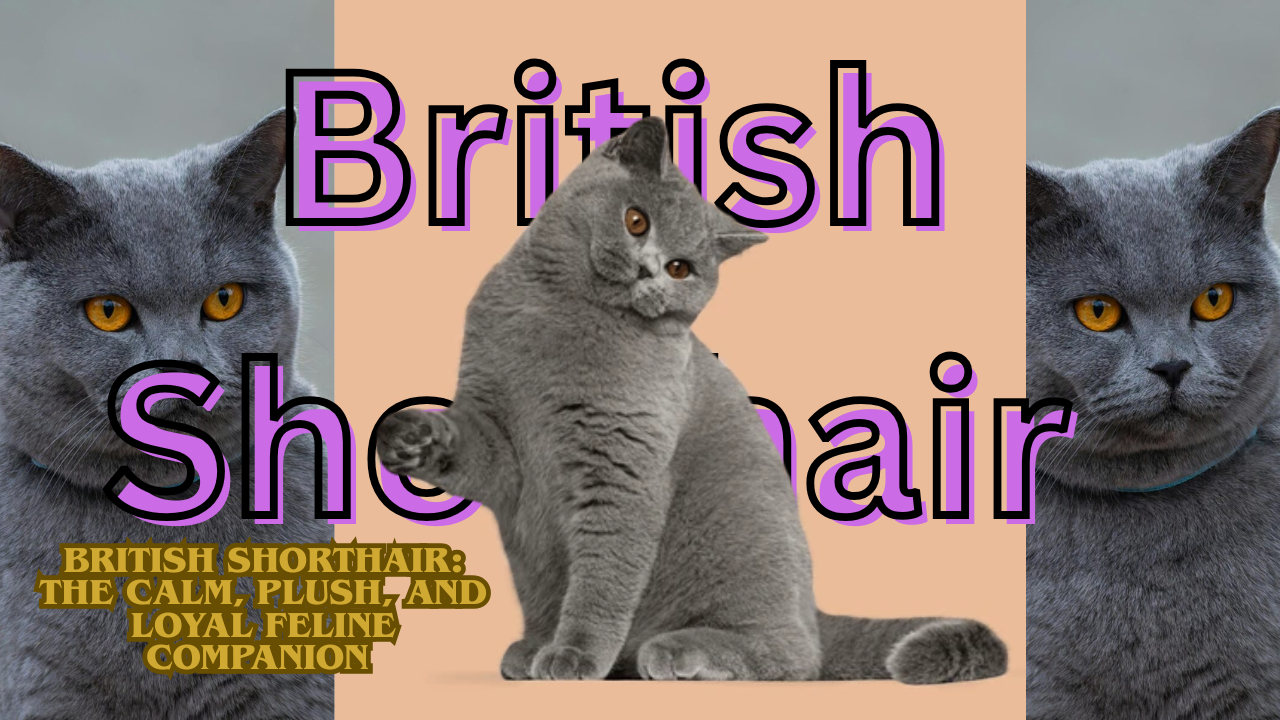
British Shorthair: The Calm, Plush, and Loyal Feline Companion

The British Shorthair is one of the most popular and recognizable cat breeds in the world. Famous for its round face, dense plush coat, calm temperament, and adorable teddy bear-like appearance, this breed has become a favorite among cat lovers seeking a relaxed and affectionate indoor companion.
Unlike highly energetic or demanding breeds, the British Shorthair is known for its balanced personality. It is affectionate without being overly clingy, playful without being hyperactive, and independent while still forming strong emotional bonds with its family. This combination of qualities makes the breed ideal for many different types of households, including families, apartment dwellers, busy professionals, and first-time cat owners.
The British Shorthair has a long history dating back to ancient times and is considered one of the oldest natural cat breeds in Britain. Over the years, it developed into a strong, healthy, and adaptable companion cat admired for both its personality and appearance.
Overview of the British Shorthair
| Feature | Details |
|---|---|
| Origin | United Kingdom |
| Breed Type | Short-haired domestic cat |
| Weight | 4–8 kg |
| Lifespan | 12–20 years |
| Temperament | Calm, loyal, gentle |
| Coat Type | Dense short plush coat |
| Energy Level | Low to Moderate |
| Shedding Level | Moderate |
The British Shorthair is widely admired for its calm behavior, quiet personality, and beautiful plush coat.
History and Origins

The British Shorthair is believed to descend from cats brought to Britain by the Romans centuries ago. Over time, these cats adapted to the British climate and developed strong bodies and thick coats.
The breed later became standardized through selective breeding, leading to the modern British Shorthair known today. It gained significant popularity because of its calm temperament, physical strength, and charming appearance.
Today, the British Shorthair is considered one of the most beloved indoor cat breeds worldwide.
Physical Appearance and Coat Characteristics

The British Shorthair has a powerful yet adorable appearance. Its large round eyes, broad face, thick coat, and sturdy body give it a distinctive teddy bear-like look.
Key Physical Features
- Round face with full cheeks
- Large round eyes
- Muscular and compact body
- Thick neck and chest
- Short strong legs
- Plush dense coat
Coat Texture
The coat is one of the breed’s defining features. Unlike silky or flowing coats, the British Shorthair’s fur is thick, soft, and plush.
Common Coat Colors
- Blue-gray (most famous variety)
- White
- Black
- Cream
- Chocolate
- Lilac
- Golden
- Silver tabby
The blue British Shorthair is especially iconic because of its elegant gray-blue coat and copper-colored eyes.
Personality and Temperament

The British Shorthair is known for its calm, stable, and affectionate personality. Unlike highly energetic cats that constantly seek activity, this breed prefers a peaceful and comfortable lifestyle.
They enjoy spending time near their owners but are generally not overly demanding for attention. Their balanced temperament makes them easy to live with in many different environments.
Core Personality Traits
- Calm and relaxed
- Loyal and affectionate
- Quiet and emotionally stable
- Independent yet loving
Behavioral Characteristics
- Rarely aggressive
- Enjoys predictable routines
- Comfortable being alone for moderate periods
- Usually gentle with children and pets
British Shorthairs are often described as dignified cats because of their composed and calm behavior.
Relationship with Owners and Families
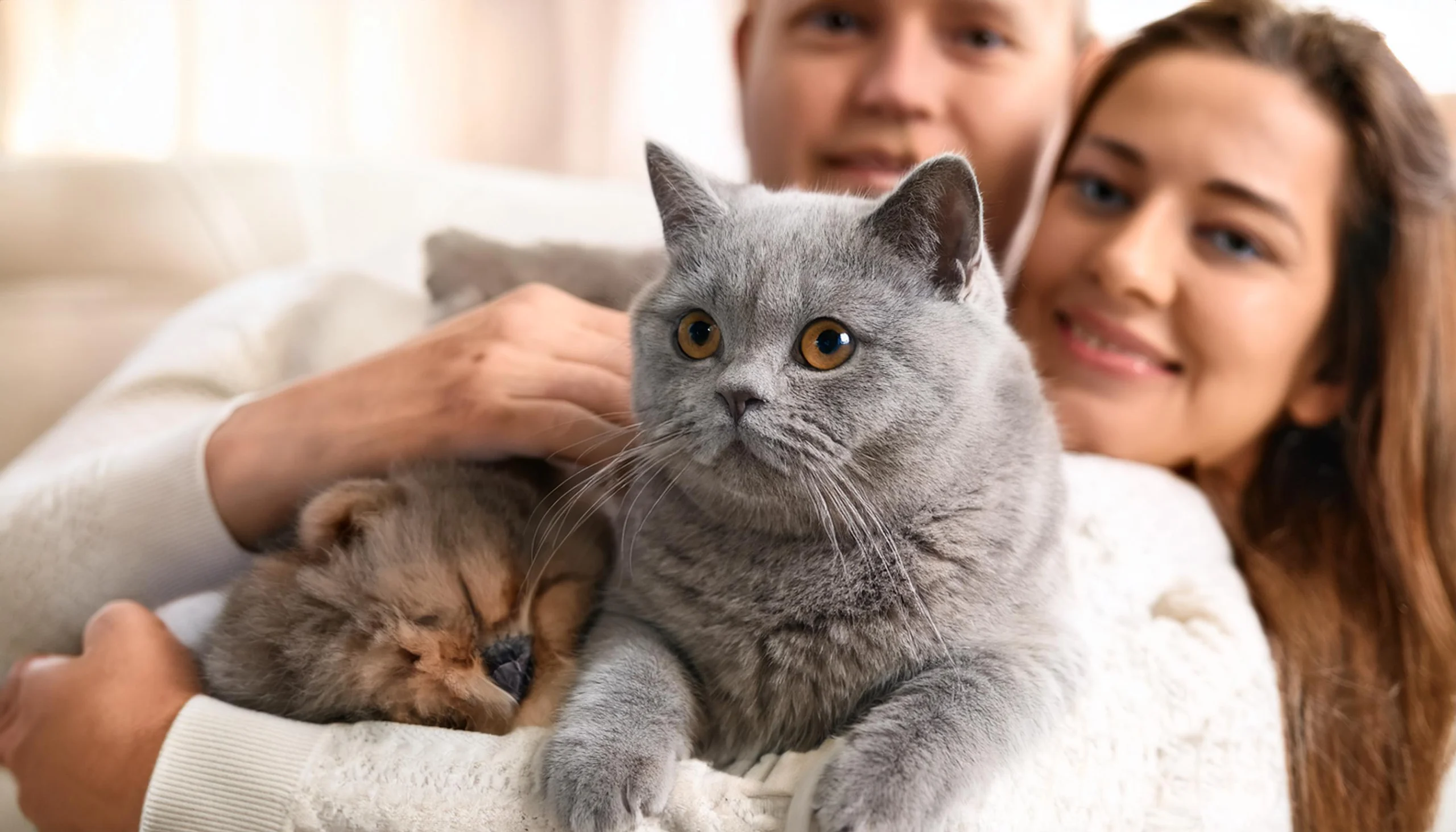
British Shorthairs form strong emotional bonds with their families, although they may not always display affection in highly dramatic ways.
Social Behavior
- Enjoys sitting near owners
- Prefers companionship over isolation
- Usually friendly toward guests
- Adapts well to family environments
Unlike some lap-cat breeds, British Shorthairs may prefer sitting beside their owners rather than directly on them.
Living Environment and Adaptability
One reason for the breed’s popularity is its excellent adaptability. British Shorthairs perform very well in apartments and indoor homes.
Ideal Living Conditions
- Apartments and indoor homes
- Calm households
- Families or individuals seeking a low-drama pet
Environmental Needs
- Comfortable sleeping spaces
- Scratching posts
- Interactive toys for light activity
Their calm nature makes them suitable for quieter lifestyles.
Exercise and Activity Requirements
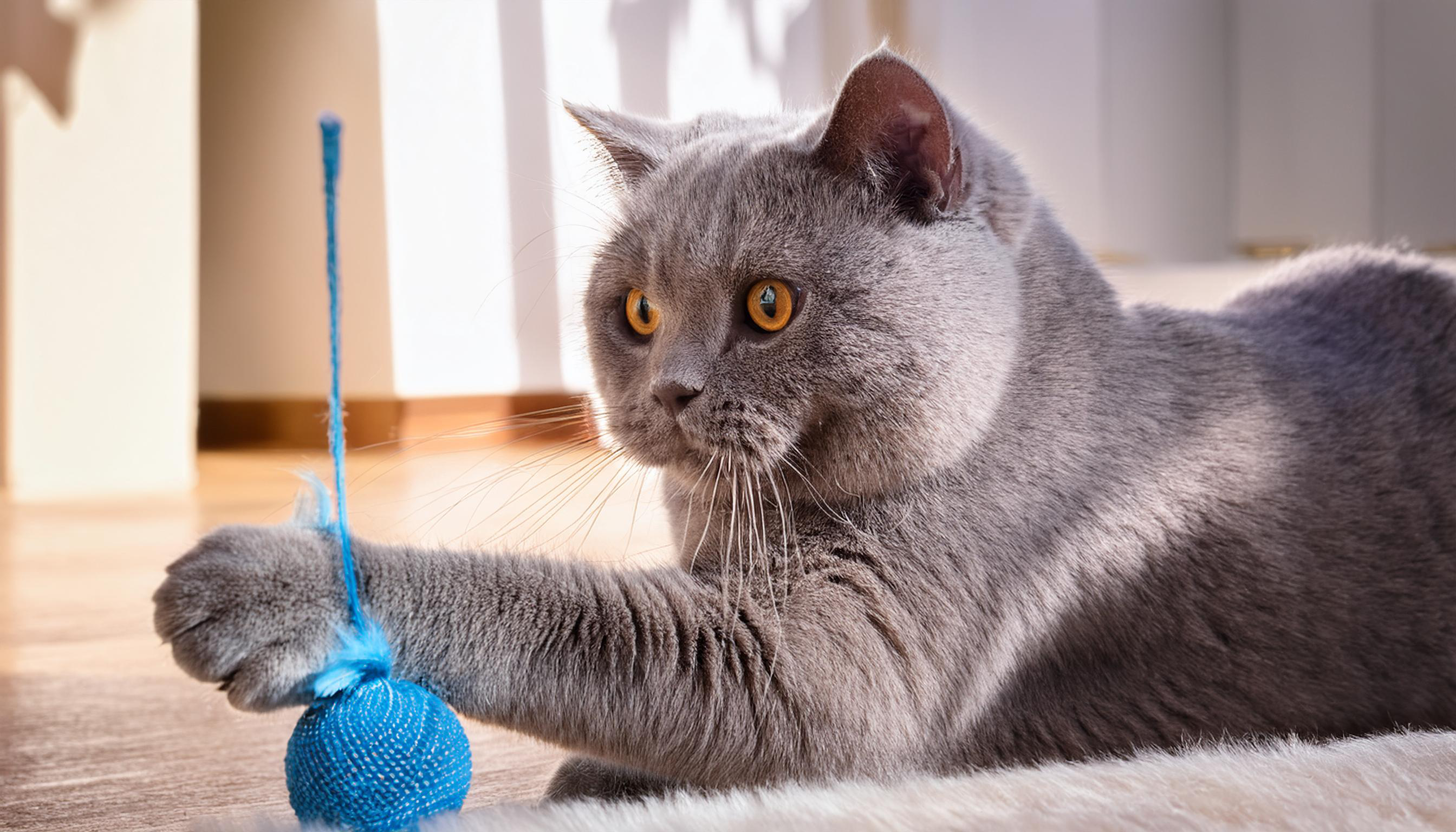
The British Shorthair is not highly active, but regular exercise is still important for maintaining health and preventing obesity.
Recommended Activities
- Short play sessions
- Interactive toys
- Wand toy games
- Gentle climbing opportunities
Why Exercise Matters
Without enough activity, British Shorthairs may:
- Gain excessive weight
- Become less active with age
- Develop health complications
Moderate daily play helps maintain physical and mental health.
Mental Stimulation and Intelligence
Although calm, British Shorthairs are intelligent cats that benefit from mental stimulation.
Mental Enrichment Ideas
- Puzzle feeders
- Interactive toys
- Training with treats
- Rotating toys regularly
They are generally less demanding than highly intelligent breeds like Bengals but still enjoy engaging activities.
Diet and Nutrition

Proper nutrition is essential because British Shorthairs can gain weight easily due to their stocky build and lower activity levels.
| Age Group | Meals per Day |
|---|---|
| Kitten | 3–4 meals |
| Adult | 2 meals |
| Senior | 1–2 meals |
Recommended Diet
- High-quality protein-rich cat food
- Controlled calorie intake
- Balanced vitamins and minerals
- Wet food for hydration support
Important Feeding Tips
- Avoid overfeeding
- Monitor weight regularly
- Provide fresh water daily
- Maintain consistent meal schedules
Foods to Avoid
- Chocolate
- Onions and garlic
- Sugary foods
- Excess fatty human food
Weight management is extremely important for this breed.
Grooming and Coat Maintenance

The British Shorthair’s short coat is relatively easy to maintain compared to long-haired breeds.
Grooming Routine
- Brush 1–2 times weekly
- Increase brushing during shedding seasons
- Occasional bathing if necessary
Additional Care Needs
- Nail trimming
- Ear cleaning
- Dental hygiene
Regular grooming helps reduce shedding and keeps the plush coat healthy.
Health and Lifespan

British Shorthairs are generally strong and healthy cats, but they may still develop certain hereditary or lifestyle-related conditions.
Common Health Issues
- Obesity
- Heart disease (hypertrophic cardiomyopathy)
- Dental disease
- Joint stiffness in older cats
Preventive Care
- Routine veterinary checkups
- Healthy diet and exercise
- Weight management
- Dental care
With proper care, British Shorthairs often live long and comfortable lives.
Training and Behavior
British Shorthairs are intelligent and usually easy to manage because of their calm nature.
Training Focus Areas
- Litter box training
- Routine feeding schedules
- Basic interactive play training
Behavior Notes
- Rarely destructive
- Quiet compared to many breeds
- Usually adapts well to household routines
Positive reinforcement works best when teaching behaviors or routines.
Pros and Cons
Advantages
- Calm and gentle personality
- Beautiful plush appearance
- Low-maintenance grooming needs
- Good for apartments and indoor living
- Loyal and emotionally stable companion
Disadvantages
- Can become overweight easily
- Less energetic for highly active owners
- May be reserved with strangers initially
- Requires regular health monitoring as it ages
Is a British Shorthair Right for You
The British Shorthair is ideal for people seeking a calm, affectionate, and low-drama companion cat. It is especially suitable for apartment living, quieter households, and owners who prefer relaxed pets.
However, people looking for an extremely playful or highly interactive cat may prefer more energetic breeds. The British Shorthair thrives best in stable environments with consistent care and affection.
SEO Keywords to Target
- British Shorthair care guide 2026
- British Shorthair personality traits
- British Shorthair grooming tips
- Calm indoor cat breeds
- British blue cat breed guide
- Best apartment cat breeds
Final Thoughts
The British Shorthair is a perfect combination of beauty, calmness, loyalty, and comfort. Its plush coat, round face, and peaceful personality make it one of the most lovable companion cats in the world.
With proper nutrition, grooming, healthcare, and affection, a British Shorthair becomes a loyal lifelong companion capable of bringing warmth, relaxation, and quiet happiness into everyday life.